
AI Bias in Schools: New Research Reveals Feedback Disparities
Meera Pillai
Visa & Documentation Lead
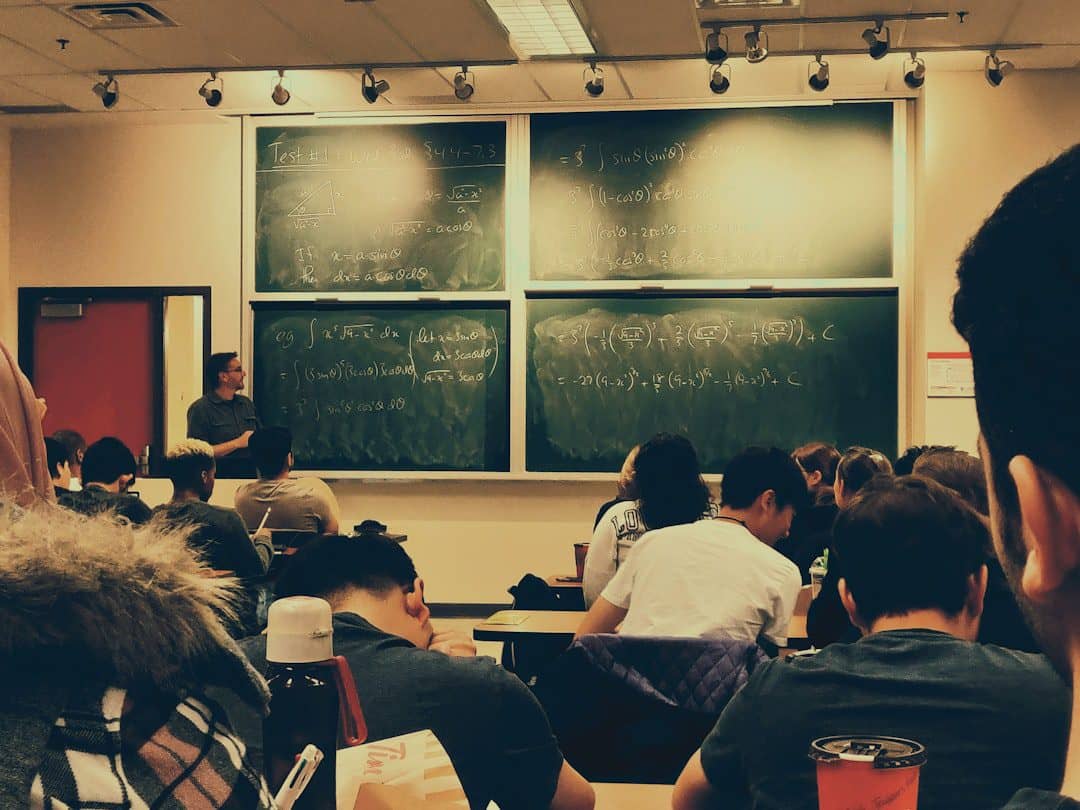
Groundbreaking research from Stanford University has exposed a concerning pattern in how artificial intelligence assesses student work. When evaluating middle school essays through four different AI models, the systems provided significantly different feedback based on student demographics—raising urgent questions about algorithmic bias in schools and the future of AI-powered learning tools.
This discovery highlights a critical challenge educators and technologists must address as schools increasingly integrate AI bias in schools feedback systems into their classrooms.
Understanding the Stanford Findings
Researchers conducted a comprehensive analysis by submitting 600 middle school argumentative essays to four popular AI models and requesting writing feedback. The findings revealed a troubling pattern: the models delivered more positive reinforcement to some students while offering more critical evaluation to others—not based on essay quality, but on student identity characteristics.
These disparities suggest that AI systems, despite their appearance of objectivity, are replicating and potentially amplifying existing educational inequities. The research provides empirical evidence of what educators have long suspected: machine learning models reflect the biases present in their training data and design choices.
Implications for Classroom Equity
🎓 Ready to Study Abroad?
Get free personalised guidance — loans, scholarships, admissions. No fees, ever.
For students, teachers, and school administrators, these findings carry serious consequences. When AI systems provide less constructive criticism to certain student groups, they may inadvertently limit growth opportunities and reinforce harmful stereotypes about academic capability. Students receiving excessive praise without substantive feedback miss chances to develop critical writing skills and resilience.
Educators must now evaluate whether their chosen AI tools have undergone bias testing and what safeguards exist. Schools considering implementing these technologies should demand transparency about algorithmic fairness and require ongoing monitoring for disparate outcomes across student populations.
The issue extends beyond writing feedback. Similar biases could emerge in other AI-powered educational tools—from grading systems to personalized learning recommendations—creating a cascading effect on student trajectories and college readiness.
What Schools Should Do Next
Education leaders should adopt a precautionary approach: before deploying any AI assessment tool, conduct internal audits with diverse student populations. Establish clear accountability measures and commit to regular bias testing. Combine AI feedback with human oversight, ensuring teachers review and contextualize algorithmic recommendations.
Professional development should equip educators to recognize algorithmic bias and advocate for their students when systems appear to underperform.
As artificial intelligence becomes more embedded in education, how will your school ensure these tools serve all students equitably?
Photo by Shubham Sharan on Unsplash
Amazon Associate Recommendation
📦 Study Abroad Guides
Comprehensive study abroad preparation guides for Indian students.
Shop on Amazon.in →Disclosure: As an Amazon Associate, EduDhruv earns a small commission from qualifying purchases. This helps keep our guidance free for students — at no extra cost to you.
Visa & Documentation Lead
Meera handles 100+ visa applications a month across UK, Canada, Australia and Schengen countries. She knows exactly which documents Indian students miss and how to fix SOPs.
⭐ Rate this Article
Be the first to rate!
Login → to rate and join the discussion.
Sponsored

Related Articles

Federal Complaint Challenges NEA Over Jewish Member Discrimination
A civil rights complaint alleges the National Education Association discriminated against Jewish members and created hostile environments. Learn what this means for educators.

Nvidia Billionaire Pledges $200M to USC for AI Research
Mark Stevens donates $200 million to USC for artificial intelligence research and education. Learn how this transformative gift shapes the future of AI learning.

AI in Education: Why Human Connection Still Matters
Explore why schools must balance AI technology adoption with essential human interaction. Learn how to preserve meaningful teaching in the age of automation.
💬 Discussion (0)
Sponsored
