
AI in Education Summit Convenes Global School Leaders
Meera Pillai
Visa & Documentation Lead
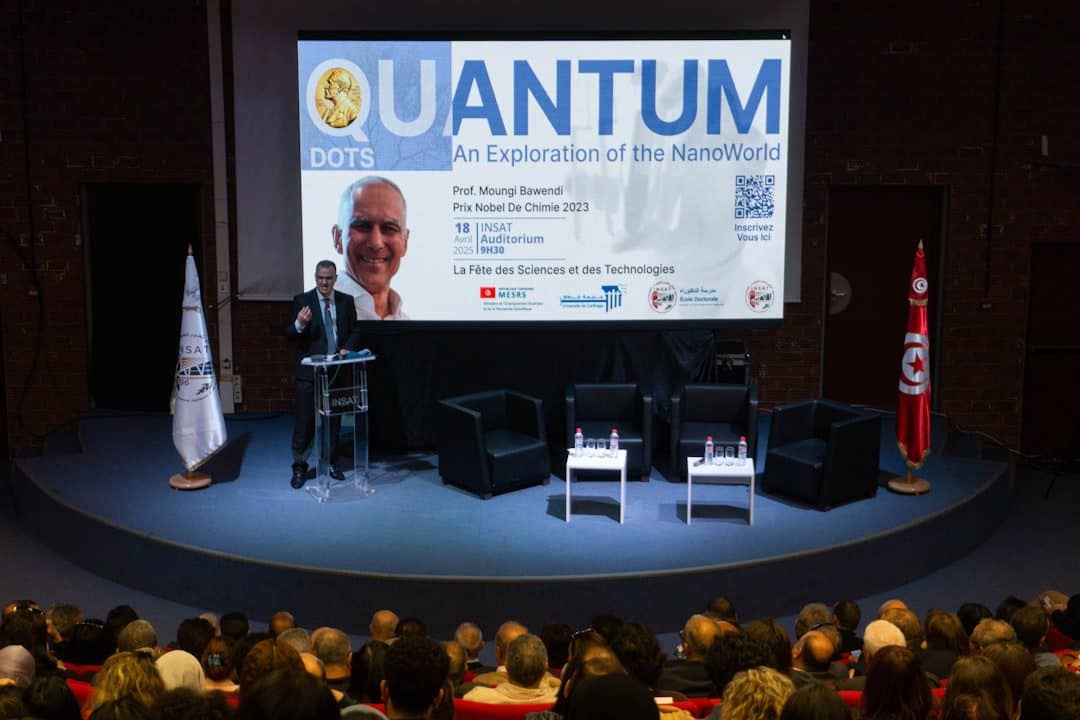
A groundbreaking gathering of international school administrators and education policymakers took place in Singapore, marking a pivotal moment for the global education sector. The inaugural summit brought together institutional leaders determined to understand, implement, and leverage artificial intelligence responsibly within their institutions. This convergence represents a critical shift in how educational communities approach technological transformation at scale.
Understanding the Summit's Core Objectives
Education in Motion (EiM) orchestrated this significant event at Dulwich College Singapore, creating a platform where experienced educators could collaborate on developing sustainable AI implementation strategies. The gathering addressed a pressing challenge facing modern schools: how to harness artificial intelligence's potential while maintaining educational integrity and pedagogical excellence. Participants engaged in structured discussions, shared institutional experiences, and examined frameworks for responsible AI adoption across diverse cultural and educational contexts.
What This Means for Students and Educators
🎓 Ready to Study Abroad?
Get free personalised guidance — loans, scholarships, admissions. No fees, ever.
The implications of this summit extend far beyond the conference hall. Teachers and administrators are gaining practical knowledge about integrating AI tools that enhance rather than replace human instruction. Students stand to benefit from classrooms where artificial intelligence handles routine administrative tasks, personalized learning analytics, and adaptive assessment systems—freeing educators to focus on mentorship, critical thinking development, and emotional intelligence cultivation. The summit emphasized that thoughtful AI deployment strengthens educational outcomes rather than compromising them, provided institutions adopt rigorous, evidence-based approaches to technology integration.
Moving Forward: Implementation Pathways
The summit established frameworks that school leaders can apply immediately within their institutions. These include audit protocols for evaluating AI tools, staff training methodologies, student data protection standards, and ethical guidelines for classroom technology use. Educational institutions now have access to collective wisdom from international peers grappling with identical challenges, creating pathways toward more coordinated, effective AI adoption across schools globally. The gathering also identified ongoing research needs and professional development priorities that will shape education technology conversations throughout 2026 and beyond.
As artificial intelligence continues reshaping educational landscapes worldwide, institutions that participate in deliberate, collaborative planning—like the leaders convened at this summit—position themselves to harness technology's benefits responsibly. The question remaining for educators everywhere: How will your institution balance AI innovation with preserving the irreplaceable human dimensions of teaching and learning?
Photo by Marwen Larafa on Unsplash
Amazon Associate Recommendation
📦 Study Abroad Guides
Comprehensive study abroad preparation guides for Indian students.
Shop on Amazon.in →Disclosure: As an Amazon Associate, EduDhruv earns a small commission from qualifying purchases. This helps keep our guidance free for students — at no extra cost to you.
Visa & Documentation Lead
Meera handles 100+ visa applications a month across UK, Canada, Australia and Schengen countries. She knows exactly which documents Indian students miss and how to fix SOPs.
⭐ Rate this Article
Be the first to rate!
Login → to rate and join the discussion.
Sponsored

Related Articles

Federal Complaint Challenges NEA Over Jewish Member Discrimination
A civil rights complaint alleges the National Education Association discriminated against Jewish members and created hostile environments. Learn what this means for educators.

Nvidia Billionaire Pledges $200M to USC for AI Research
Mark Stevens donates $200 million to USC for artificial intelligence research and education. Learn how this transformative gift shapes the future of AI learning.

AI in Education: Why Human Connection Still Matters
Explore why schools must balance AI technology adoption with essential human interaction. Learn how to preserve meaningful teaching in the age of automation.
💬 Discussion (0)
Sponsored
