
Boys' Learning Styles: New Research on Gender-Specific Education
Arjun Nair
USA & Canada Counsellor
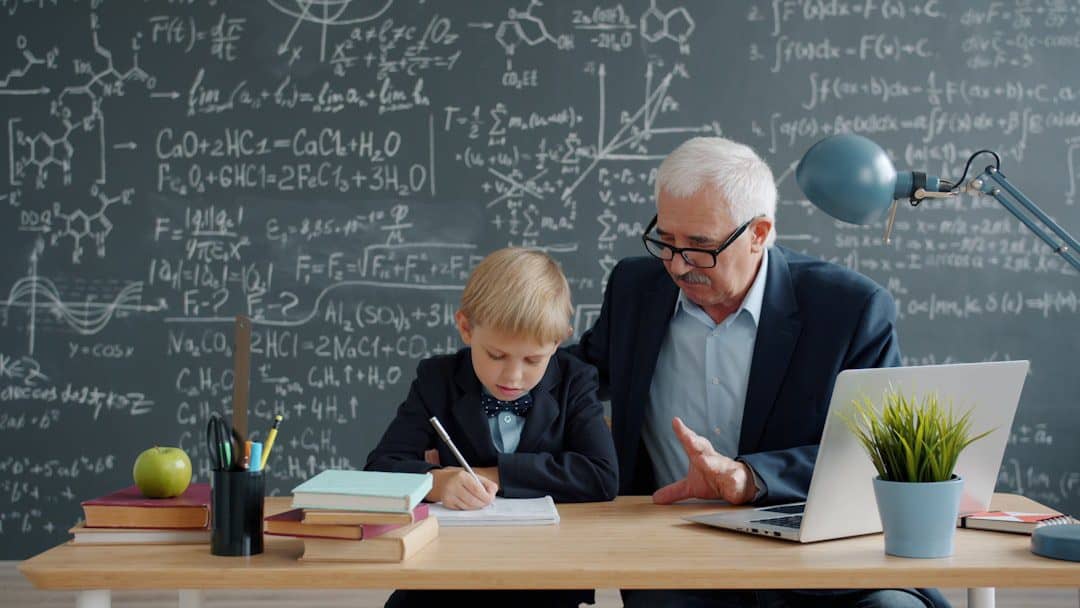
Recent educational research is reshaping how institutions approach teaching methodology, with growing attention to whether boys and girls benefit from tailored instructional approaches. As educators worldwide seek to close achievement gaps and boost student engagement, understanding gender-specific learning differences has become increasingly important for curriculum development and classroom strategies.
Understanding the Research on Boys' Learning Differences
Contemporary studies suggest that boys and girls may process information, respond to motivation, and engage with academic content through distinct pathways. Research indicates that many boys thrive with movement-based learning, competitive frameworks, and hands-on activities, while traditional classroom structures—which often emphasise sedentary work and verbal instruction—may not align with their natural learning preferences. Neuroscientific findings have contributed to discussions about attention spans, risk-taking behaviour, and classroom engagement patterns across genders, prompting educators to reconsider one-size-fits-all teaching methods.
Practical Implications for Classrooms and Schools
🎓 Ready to Study Abroad?
Get free personalised guidance — loans, scholarships, admissions. No fees, ever.
Gender-specific education strategies don't necessarily mean separate classrooms; rather, they involve recognising and accommodating diverse learning profiles within mixed settings. Teachers are exploring interactive technologies, project-based learning, competitive gaming elements, and kinesthetic activities that research suggests resonate with many boys. Additionally, the role of male mentors and relatable curriculum examples has gained prominence. These adaptations aim to increase participation, reduce behavioural challenges, and foster deeper academic engagement without compromising girls' educational experiences or reinforcing limiting stereotypes.
What Educators Should Consider Moving Forward
While gender-specific education shows promise, researchers emphasise that individual variations within genders far exceed differences between them. Boys aren't a monolithic group—cultural background, personality type, socioeconomic status, and neurodivergence significantly influence learning preferences. Smart implementation requires teachers to use gender insights as one lens among many, combining them with personalised assessments, differentiated instruction, and culturally responsive pedagogy. Professional development programmes are helping educators balance gender-informed strategies with inclusive practices that honour every student's unique needs.
As schools continue examining gender-specific education approaches, the central question remains: How can we design learning environments that honour natural learning differences while avoiding stereotypes and ensuring equitable opportunities for all students?
Photo by Vitaly Gariev on Unsplash
Amazon Associate Recommendation
📦 Study Abroad Guides
Comprehensive study abroad preparation guides for Indian students.
Shop on Amazon.in →Disclosure: As an Amazon Associate, EduDhruv earns a small commission from qualifying purchases. This helps keep our guidance free for students — at no extra cost to you.
USA & Canada Counsellor
MS from Carnegie Mellon, Arjun guides Indian engineers and CS students through US grad school applications, GRE prep, F-1 visas and STEM OPT. Currently based in Boston.
⭐ Rate this Article
Be the first to rate!
Login → to rate and join the discussion.
Sponsored

Related Articles

Federal Complaint Challenges NEA Over Jewish Member Discrimination
A civil rights complaint alleges the National Education Association discriminated against Jewish members and created hostile environments. Learn what this means for educators.

Nvidia Billionaire Pledges $200M to USC for AI Research
Mark Stevens donates $200 million to USC for artificial intelligence research and education. Learn how this transformative gift shapes the future of AI learning.

AI in Education: Why Human Connection Still Matters
Explore why schools must balance AI technology adoption with essential human interaction. Learn how to preserve meaningful teaching in the age of automation.
💬 Discussion (0)
Sponsored
