
Bridging the Tech Skills Gap in AI-Driven Education
Vikram Singh
Education Loan Advisor
The journey from completing a certification to delivering value on a professional team has never felt more fragmented. As artificial intelligence continues to reshape technical careers, the disconnect between theoretical knowledge and workplace readiness has become impossible for companies to overlook. This widening gap demands immediate attention from educators, institutions, and industry leaders who recognize that traditional course completion no longer guarantees employability.
Understanding the Theory-to-Practice Divide
Denis Brovarnyy, an industry observer who has navigated both sides of technical development, highlights a critical challenge facing modern education. Learners invest months acquiring credentials, yet employers report that graduates lack the contextual problem-solving abilities needed for immediate contributions. This disparity intensifies in technical fields where AI skills have become non-negotiable, but practical experience remains scarce within standard curricula.
The problem isn't simply about missing coding tutorials or outdated curriculum materials. It's about the absence of real-world project exposure, collaborative team dynamics, and the ability to troubleshoot ambiguous challenges that define actual professional environments. Courses excel at teaching syntax and concepts but struggle to replicate the decision-making pressure of production systems.
What This Means for Students and Educators
🎓 Ready to Study Abroad?
Get free personalised guidance — loans, scholarships, admissions. No fees, ever.
Students entering the workforce now face unprecedented scrutiny around practical capabilities. Employers increasingly evaluate candidates based on portfolio projects, internship experience, and demonstrable contributions to actual codebases rather than grades alone. Educators must evolve their teaching methodologies to include capstone projects, industry partnerships, and mentorship models that expose learners to authentic technical challenges.
For institutions, this transformation requires investing in updated infrastructure, industry collaboration, and instructor expertise in emerging technologies. Teacher training programs need to emphasize project-based learning over purely lecture-based delivery, ensuring instructors can guide students through messy, real-world problem scenarios rather than textbook examples.
What to Watch Next
The education sector is shifting toward apprenticeship-style models and competency-based credentials that value demonstrated skills over completion times. Companies are establishing partnerships with schools to design curricula around actual job requirements, creating feedback loops that keep education relevant. Additionally, AI-powered learning platforms are beginning to offer personalized, project-centric experiences that adapt to individual learning paces while maintaining real-world application contexts.
As artificial intelligence reshapes technical roles faster than traditional education can adapt, the pressure to close the tech skills gap will only intensify. Institutions, learners, and employers must collaborate to ensure that education transcends theory and equips professionals with the practical judgment needed for immediate impact. What changes will your organization embrace to transform how technical talent is developed and evaluated?
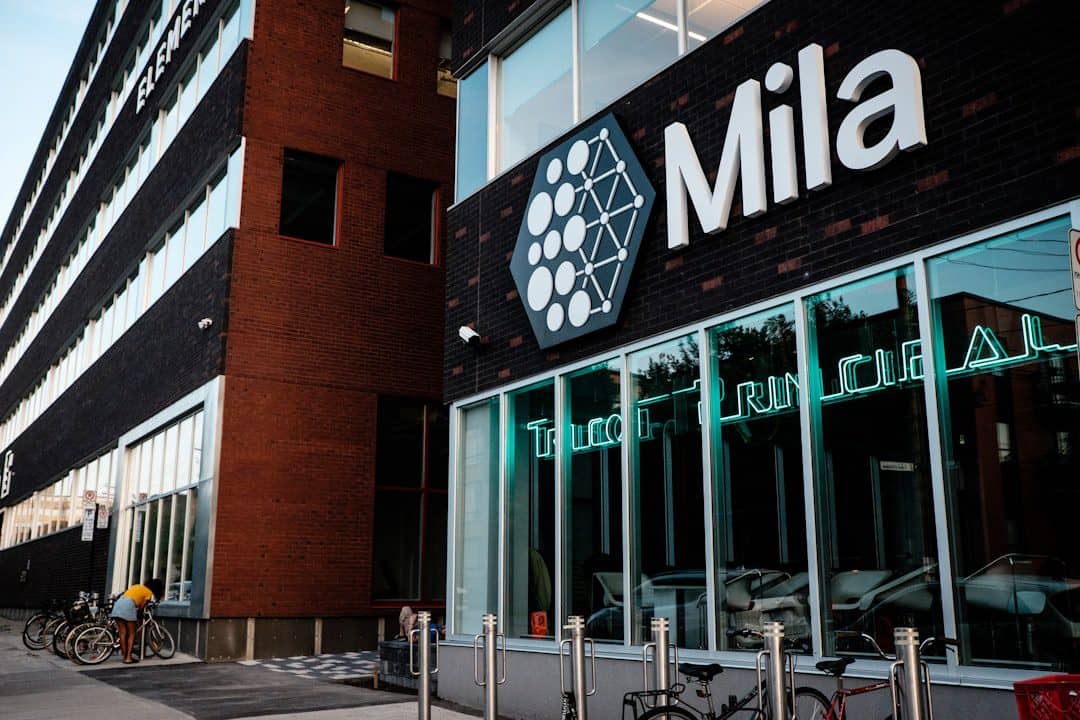
Photo by Morgan Petroski on Unsplash
Amazon Associate Recommendation
📦 Study Abroad Guides
Comprehensive study abroad preparation guides for Indian students.
Shop on Amazon.in →Disclosure: As an Amazon Associate, EduDhruv earns a small commission from qualifying purchases. This helps keep our guidance free for students — at no extra cost to you.
Education Loan Advisor
15 years in Indian banking with SBI and HDFC, Vikram now helps families navigate education loans without collateral, interest rate negotiations and Section 80E tax benefits.
⭐ Rate this Article
Be the first to rate!
Login → to rate and join the discussion.
Sponsored

Related Articles

Federal Complaint Challenges NEA Over Jewish Member Discrimination
A civil rights complaint alleges the National Education Association discriminated against Jewish members and created hostile environments. Learn what this means for educators.

Nvidia Billionaire Pledges $200M to USC for AI Research
Mark Stevens donates $200 million to USC for artificial intelligence research and education. Learn how this transformative gift shapes the future of AI learning.

AI in Education: Why Human Connection Still Matters
Explore why schools must balance AI technology adoption with essential human interaction. Learn how to preserve meaningful teaching in the age of automation.
💬 Discussion (0)
Sponsored
