
Nigeria's Hidden Crisis: Substance Abuse in Schools
Vikram Singh
Education Loan Advisor
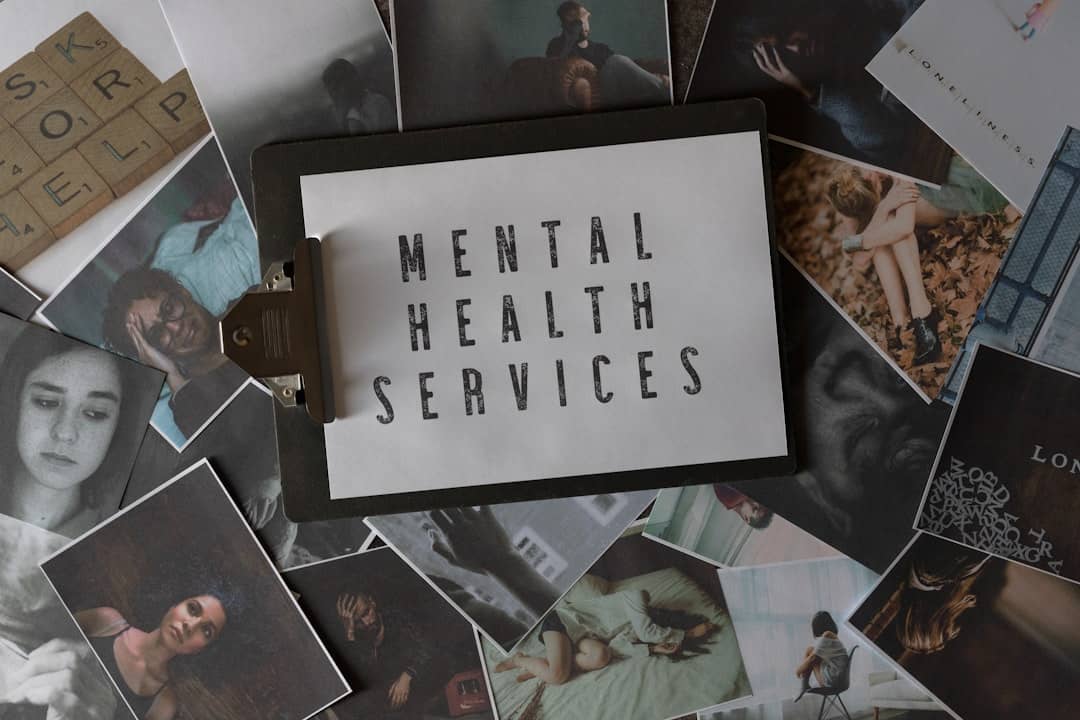
Nigeria is confronting a significant yet largely unrecognised challenge that threatens the wellbeing of millions of students: the intersection of mental health struggles and substance abuse in educational settings. As the nation observes Mental Health Awareness Month this May, recent data reveals troubling patterns that demand immediate attention from educators, parents, and policymakers alike.
The Scope of the Problem
Statistical evidence from recent years indicates that substance use among young Nigerians represents a persistent public health concern. Studies conducted in 2018 documented that approximately 14.3 million individuals aged 15 to 64 reported drug use, with younger populations increasingly vulnerable to experimentation and dependency. This demographic overlap means schools are on the frontlines of a crisis that extends far beyond traditional academic challenges.
The invisibility of this issue within educational institutions compounds the problem. Many schools lack adequate counselling infrastructure, trained mental health professionals, or protocols for identifying at-risk students. This systemic gap leaves vulnerable learners without the support systems they desperately need.
Impact on Students and Educational Outcomes
🎓 Ready to Study Abroad?
Get free personalised guidance — loans, scholarships, admissions. No fees, ever.
When students struggle with mental health issues or substance abuse, academic performance naturally deteriorates. Beyond grades, however, the consequences are far more profound. Affected students experience disrupted social relationships, compromised cognitive development, and diminished future opportunities. Teachers often find themselves unprepared to recognise warning signs or respond appropriately to disclosures.
For educators themselves, navigating these challenges creates significant stress. Many report feeling inadequately equipped to balance their teaching responsibilities with pastoral care demands, leaving both teachers and students in precarious situations.
Building a Supportive Educational Environment
Addressing mental health and addiction in Nigerian schools requires comprehensive action. Educational institutions must prioritise employing qualified counsellors, implementing evidence-based prevention programmes, and creating safe spaces where students feel comfortable seeking help without stigma.
Teacher training programmes should incorporate mental health literacy and addiction awareness as core competencies. Parents also need accessible resources to recognise concerning behaviours and understand how to seek professional support for their children.
The Path Forward
Mental health awareness campaigns must extend beyond May observances into sustained, year-round initiatives. Schools should establish peer support networks, collaborate with mental health organisations, and develop clear referral pathways to external services.
As Nigeria's education sector evolves, addressing mental health and addiction becomes not just a social responsibility but an educational imperative. When students thrive mentally and emotionally, they're better positioned to succeed academically.
What systemic changes do you believe would most effectively support Nigerian students struggling with mental health challenges?
Photo by micheile henderson on Unsplash
Amazon Associate Recommendation
📦 Study Abroad Guides
Comprehensive study abroad preparation guides for Indian students.
Shop on Amazon.in →Disclosure: As an Amazon Associate, EduDhruv earns a small commission from qualifying purchases. This helps keep our guidance free for students — at no extra cost to you.
Education Loan Advisor
15 years in Indian banking with SBI and HDFC, Vikram now helps families navigate education loans without collateral, interest rate negotiations and Section 80E tax benefits.
⭐ Rate this Article
Be the first to rate!
Login → to rate and join the discussion.
Sponsored

Related Articles

Federal Complaint Challenges NEA Over Jewish Member Discrimination
A civil rights complaint alleges the National Education Association discriminated against Jewish members and created hostile environments. Learn what this means for educators.

Nvidia Billionaire Pledges $200M to USC for AI Research
Mark Stevens donates $200 million to USC for artificial intelligence research and education. Learn how this transformative gift shapes the future of AI learning.

AI in Education: Why Human Connection Still Matters
Explore why schools must balance AI technology adoption with essential human interaction. Learn how to preserve meaningful teaching in the age of automation.
💬 Discussion (0)
Sponsored
