
NYC Students Design Playgrounds, Transform School Communities
Kavya Sharma
Student Accommodation Expert
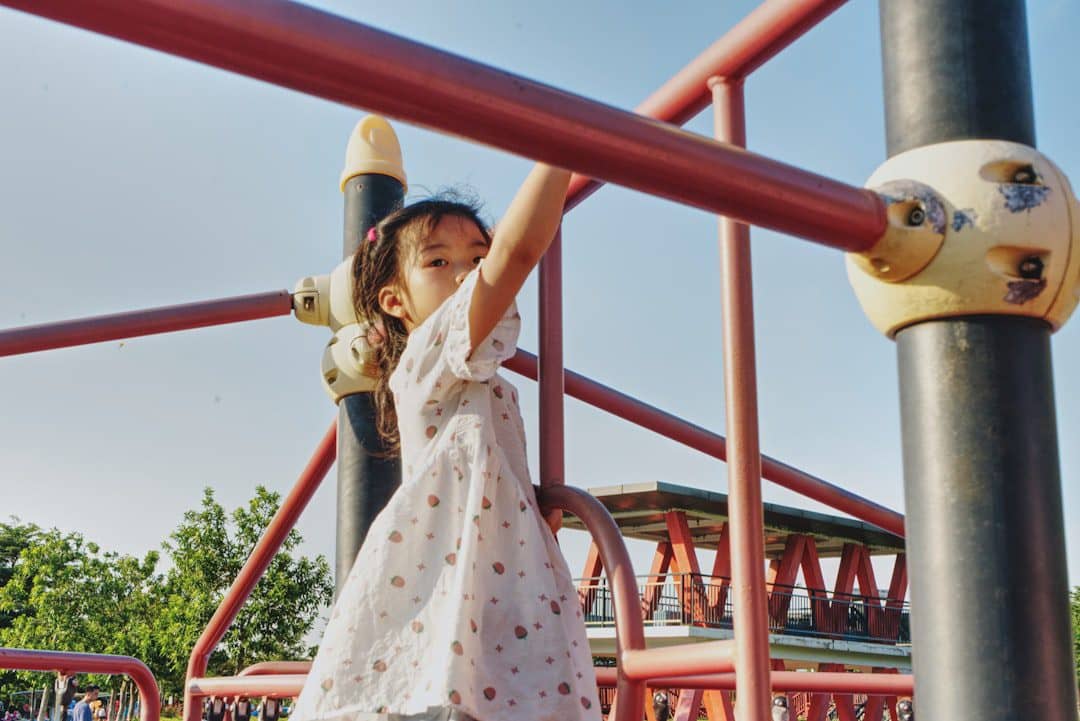
Across New York City's schools, a powerful movement is reshaping outdoor learning environments. Through active participation in student-designed playgrounds, young people are not only creating innovative recreational spaces but also developing leadership skills and strengthening their connection to school communities. From butterfly gardens to custom basketball courts, these projects demonstrate the transformative potential of giving students genuine voice in their educational surroundings.
How Student-Led Playground Projects Are Taking Shape
Schools throughout NYC are embracing a collaborative approach where students lead the planning and design of schoolyard upgrades. Rather than administrators imposing changes, these initiatives invite young people to imagine and build spaces that reflect their actual needs and interests. The results showcase remarkable creativity—pink basketball courts designed for visibility and inclusion, dedicated hair braiding stations celebrating cultural practices, and pollinator gardens connecting students with environmental stewardship. This shift from passive recipients to active designers fundamentally changes how students relate to their school environment.
Impact on Student Development and School Culture
🎓 Ready to Study Abroad?
Get free personalised guidance — loans, scholarships, admissions. No fees, ever.
When students participate meaningfully in playground transformation projects, they gain far more than new recreational amenities. These initiatives develop critical skills including project management, collaborative problem-solving, and community advocacy. Young people learn to articulate their needs, negotiate with peers, and see their ideas materialize into physical reality. Teachers and administrators report that enhanced schoolyards become focal points for improved social dynamics, increased outdoor engagement, and stronger school pride. The psychological benefits extend beyond recreation—students develop ownership and agency within their educational institutions.
Expanding This Model Across Districts
The success of student-designed playgrounds in NYC offers a replicable blueprint for schools nationwide. Education leaders are recognizing that involving young people in environmental design decisions creates buy-in and fosters genuine community investment. Beyond aesthetic improvements, these projects demonstrate that student voice matters in shaping school infrastructure. As more districts adopt this participatory approach, they're discovering that when students help design the spaces where they learn and play, engagement increases and behavioral issues often decrease.
The playground transformation movement raises an important question for educational institutions everywhere: How might our schools change if we genuinely invited students to design their own learning environments? By trusting young people with real decision-making power, NYC schools are proving that students are capable designers, thoughtful planners, and community builders.
Photo by Loegunn Lai on Unsplash
Amazon Associate Recommendation
📦 Study Abroad Guides
Comprehensive study abroad preparation guides for Indian students.
Shop on Amazon.in →Disclosure: As an Amazon Associate, EduDhruv earns a small commission from qualifying purchases. This helps keep our guidance free for students — at no extra cost to you.
Student Accommodation Expert
Kavya runs the housing advisory desk at EduDhruv. She has personally helped students find safe, affordable accommodation in London, Manchester, Sydney and Berlin.
⭐ Rate this Article
Be the first to rate!
Login → to rate and join the discussion.
Sponsored

Related Articles

Federal Complaint Challenges NEA Over Jewish Member Discrimination
A civil rights complaint alleges the National Education Association discriminated against Jewish members and created hostile environments. Learn what this means for educators.

Nvidia Billionaire Pledges $200M to USC for AI Research
Mark Stevens donates $200 million to USC for artificial intelligence research and education. Learn how this transformative gift shapes the future of AI learning.

AI in Education: Why Human Connection Still Matters
Explore why schools must balance AI technology adoption with essential human interaction. Learn how to preserve meaningful teaching in the age of automation.
💬 Discussion (0)
Sponsored
