
Teachers Trust Observation Over Tests for Student Success
Rahul Deshmukh
Germany & Europe Specialist
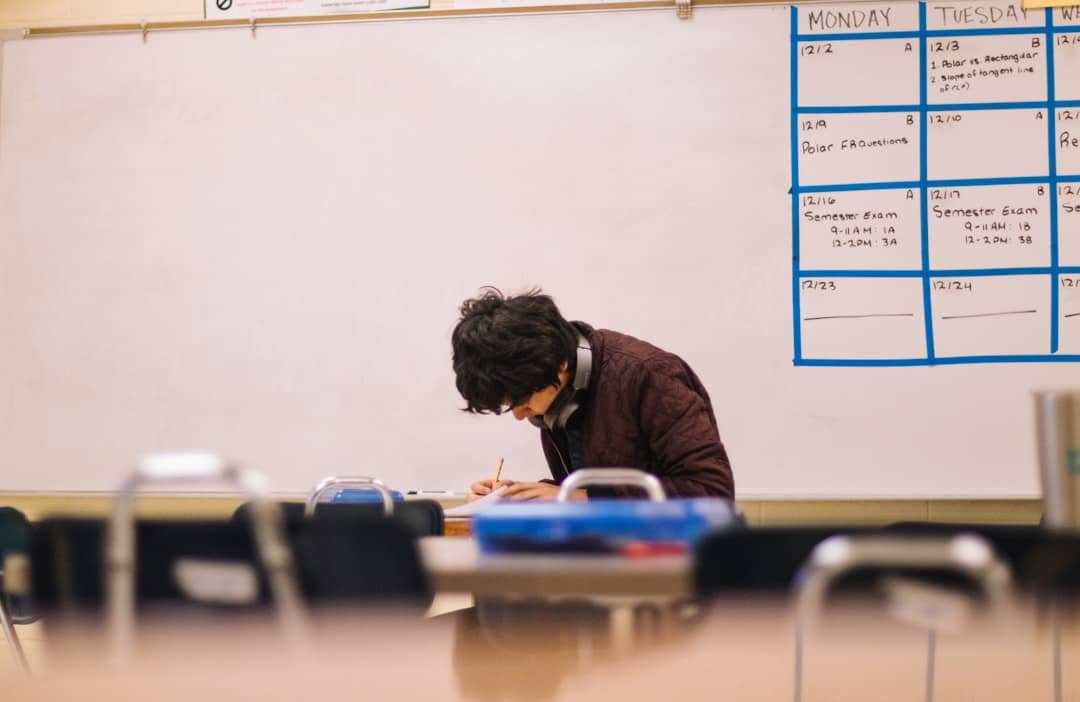
A groundbreaking survey reveals a significant disconnect between how educators evaluate student achievement and the standardized testing frameworks that dominate educational systems worldwide. Recent polling data demonstrates that classroom professionals rely far more heavily on their direct observations and interpersonal connections than on test scores when determining whether their students have experienced a successful academic year. This finding challenges conventional assessment practices that have dominated schools for decades.
Understanding Teacher Assessment Preferences
The latest research from EdChoice provides compelling insights into educator decision-making. The data shows that 58% of teachers emphasize personal observation and ongoing communication as their primary success indicators. In contrast, standardized test results rank significantly lower in teachers' evaluation frameworks. This preference reflects what many education professionals have long believed—that authentic learning extends far beyond what multiple-choice questions can capture.
Teachers consistently observe student growth through daily interactions, written work samples, classroom participation, and informal assessments. These formative evaluation methods allow educators to identify strengths, struggles, and learning patterns that standardized testing simply cannot measure. The relationship between a teacher and student creates opportunities for nuanced understanding of progress that transcends numerical scores.
Implications for Modern Education Systems
🎓 Ready to Study Abroad?
Get free personalised guidance — loans, scholarships, admissions. No fees, ever.
This research carries profound implications for how schools measure and report student success. When teacher judgment takes precedence over test performance, educational priorities shift toward holistic development. Students benefit from assessment methods that recognize creativity, critical thinking, collaboration, and communication—skills increasingly essential in today's workforce.
For administrators and policymakers, these findings suggest that overreliance on standardized testing may not reflect how effective teachers actually evaluate learning. Supporting educator autonomy in assessment decisions could lead to more authentic measures of academic and personal growth. Schools might consider balancing standardized benchmarks with portfolio-based assessments, performance tasks, and teacher observations.
What This Shift Means Going Forward
Educational institutions worldwide face mounting pressure to rethink assessment strategies. Teachers' preference for observation-based evaluation suggests a broader professional consensus about what truly matters in education. As schools navigate post-pandemic learning recovery and shifts in curriculum design, honoring teacher expertise in assessment becomes increasingly valuable.
This movement toward teacher-centered evaluation aligns with contemporary research on effective pedagogy, which emphasizes the importance of formative assessment and personalized feedback. When educators are trusted to make judgment calls based on comprehensive evidence of student learning, educational outcomes often improve.
The question now facing education leaders is clear: How can we redesign accountability systems to genuinely reflect what teachers know about their students' learning journeys, rather than constraining assessment to standardized measures?
Photo by Jeswin Thomas on Unsplash
Amazon Associate Recommendation
📦 Study Abroad Guides
Comprehensive study abroad preparation guides for Indian students.
Shop on Amazon.in →Disclosure: As an Amazon Associate, EduDhruv earns a small commission from qualifying purchases. This helps keep our guidance free for students — at no extra cost to you.
Germany & Europe Specialist
Studied his Masters at TU Munich on a DAAD scholarship. Rahul demystifies Germany's free public university system, blocked accounts, and APS certificates for Indian students.
⭐ Rate this Article
Be the first to rate!
Login → to rate and join the discussion.
Sponsored

Related Articles

Federal Complaint Challenges NEA Over Jewish Member Discrimination
A civil rights complaint alleges the National Education Association discriminated against Jewish members and created hostile environments. Learn what this means for educators.

Nvidia Billionaire Pledges $200M to USC for AI Research
Mark Stevens donates $200 million to USC for artificial intelligence research and education. Learn how this transformative gift shapes the future of AI learning.

AI in Education: Why Human Connection Still Matters
Explore why schools must balance AI technology adoption with essential human interaction. Learn how to preserve meaningful teaching in the age of automation.
💬 Discussion (0)
Sponsored
