
Teaching the Declaration of Independence in 2024
Sneha Reddy
Australia & New Zealand Specialist
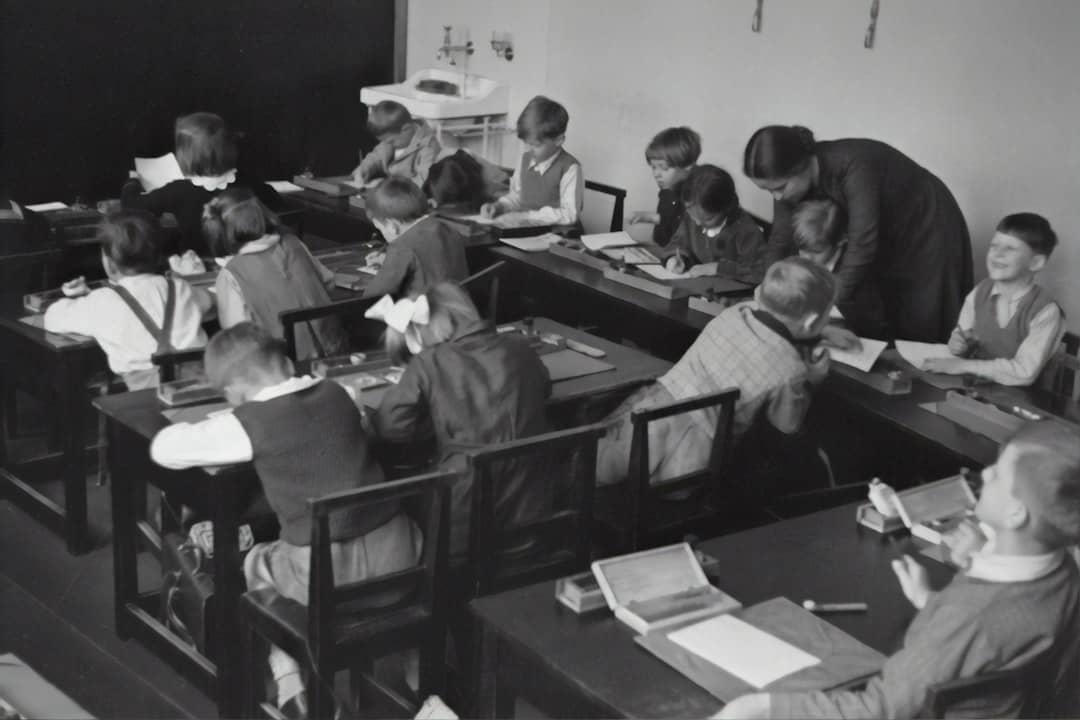
A quarter-millennium after its signing, the Declaration of Independence remains one of America's most debated historical documents in classrooms. As educators mark the 250th anniversary, they're grappling with how to present a founding text that inspired democratic movements worldwide while acknowledging its contradictions and the complex realities it obscured.
History teachers across the country face a delicate challenge: honoring the document's revolutionary ideals while examining the gaps between its proclamations and historical practices. This tension has become increasingly central to how schools approach civics education in the modern era.
The Classroom Challenge: Balancing Ideals and Reality
Educators like longtime history instructor Karalee Wong Nakatsuka are navigating this intricate terrain with renewed intentionality. Rather than presenting the Declaration as a complete narrative, progressive teaching approaches encourage students to engage in critical analysis. Teachers ask students to identify the document's groundbreaking assertions about human rights while simultaneously examining who was excluded from these protections when it was written.
This dual-lens approach transforms history lessons from passive memorization into active inquiry. Students explore why enslaved individuals, women, and Indigenous peoples were not included in the declaration's promise of equality, and how this gap shaped American history for generations.
Why This Matters for Today's Students and Educators
🎓 Ready to Study Abroad?
Get free personalised guidance — loans, scholarships, admissions. No fees, ever.
Teaching the Declaration of Independence through a nuanced framework prepares students to understand how foundational documents reflect both aspirations and limitations of their time. This skill directly supports democratic literacy—the ability to critique institutions while appreciating their ideals.
For teachers, this requires courage and professional development. It means moving beyond simplified narratives and trusting students with intellectual complexity. Educational leaders are increasingly supporting this through curriculum updates and professional learning communities focused on teaching contested history effectively.
What Educators Are Watching
As school districts revisit history standards nationwide, the 250th anniversary of the Declaration presents an opportunity to examine textbook narratives. Districts are investing in primary source analysis, comparative document studies, and diverse historical perspectives that help students develop critical thinking rather than accepting predetermined conclusions.
The conversation surrounding Declaration teaching reflects broader shifts in American education—moving toward inquiry-based learning and culturally responsive instruction that acknowledges multiple viewpoints within historical events.
As classrooms continue wrestling with these essential questions, one becomes clear: understanding our founding documents doesn't require choosing between celebration and critical examination. Both can—and should—coexist. How might teaching the Declaration differently today prepare students to shape democracy tomorrow?
Photo by Austrian National Library on Unsplash
Amazon Associate Recommendation
📦 Study Abroad Guides
Comprehensive study abroad preparation guides for Indian students.
Shop on Amazon.in →Disclosure: As an Amazon Associate, EduDhruv earns a small commission from qualifying purchases. This helps keep our guidance free for students — at no extra cost to you.
Australia & New Zealand Specialist
Sneha studied at the University of Melbourne and has placed 400+ Indian students into Australian and NZ universities. Expert on Subclass 500 visas and Australian PR pathways.
⭐ Rate this Article
Be the first to rate!
Login → to rate and join the discussion.
Sponsored

Related Articles

Federal Complaint Challenges NEA Over Jewish Member Discrimination
A civil rights complaint alleges the National Education Association discriminated against Jewish members and created hostile environments. Learn what this means for educators.

Nvidia Billionaire Pledges $200M to USC for AI Research
Mark Stevens donates $200 million to USC for artificial intelligence research and education. Learn how this transformative gift shapes the future of AI learning.

AI in Education: Why Human Connection Still Matters
Explore why schools must balance AI technology adoption with essential human interaction. Learn how to preserve meaningful teaching in the age of automation.
💬 Discussion (0)
Sponsored
