
Tutoring Works Best When Aligned With Core Curriculum
Kavya Sharma
Student Accommodation Expert
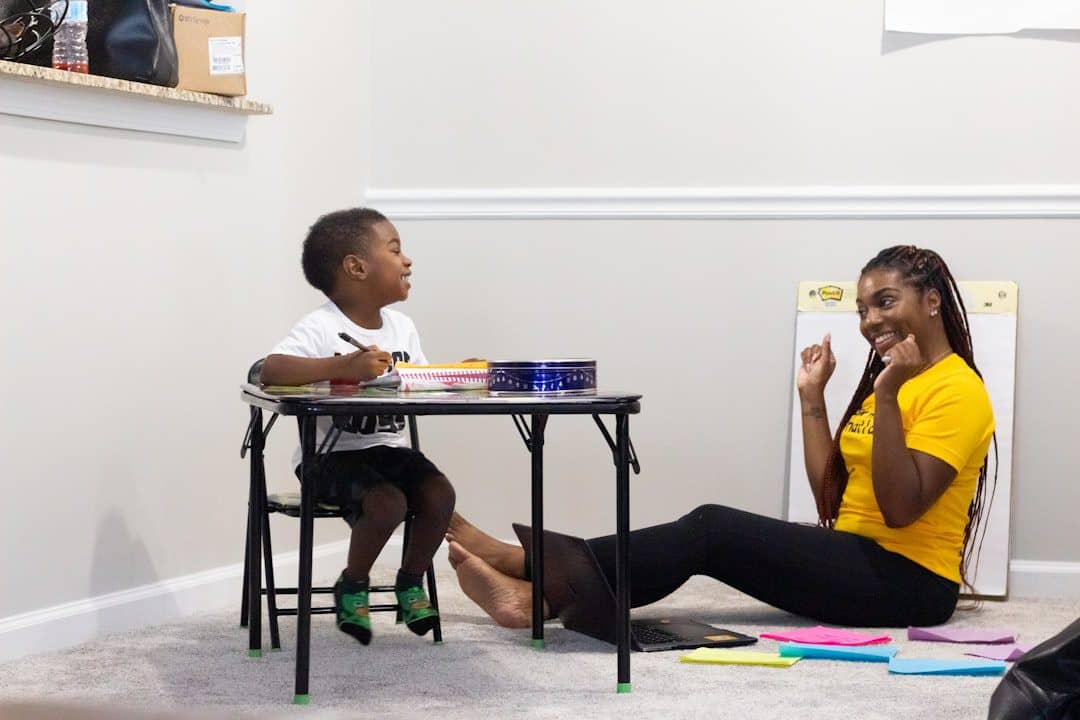
A groundbreaking study from Knox County Schools in eastern Tennessee reveals a critical insight into what makes tutoring programs genuinely effective: alignment with core curriculum matters far more than districts typically assume. Despite implementing evidence-based reading instruction and high-quality supplemental materials, the 60,000-student district initially struggled to achieve meaningful progress. The turning point came when administrators recognized that tutoring reinforced core curriculum created substantially better outcomes than standalone interventions.
What Happened: The Curriculum Alignment Discovery
Knox County Schools invested considerably in intensive tutoring programs for struggling readers, complete with research-backed materials and consistent scheduling during instructional time. Yet results remained disappointing. Researchers investigating the disconnect discovered a fundamental mismatch: tutoring sessions weren't systematically reinforcing the specific skills and strategies introduced in core reading classes. When the district restructured their approach to ensure tutors explicitly connected supplemental instruction to classroom learning objectives, student progress accelerated dramatically.
This research challenges the assumption that tutoring quality alone determines effectiveness. The district's premium materials and dedicated scheduling provided necessary conditions, but without strategic curricular reinforcement, they couldn't unlock full potential. The study suggests that implementation fidelity—ensuring tutoring directly supports what happens in regular classrooms—proves equally important as resource quality.
What This Means for Students and Educators
🎓 Ready to Study Abroad?
Get free personalised guidance — loans, scholarships, admissions. No fees, ever.
For struggling readers, tutoring aligned with classroom instruction means interventions directly target their actual learning needs. Rather than working through generic supplemental programs disconnected from daily instruction, students experience consistent, reinforcing message about literacy strategies and skills. Teachers benefit equally, gaining clearer visibility into how intervention support coordinates with classroom practice.
This framework applies beyond reading. Science, mathematics, and language arts instructors can partner with intervention specialists to create coherent learning experiences. When tutoring reinforced core curriculum principles permeate school culture, resource investment multiplies in impact.
What to Watch Next
Education leaders nationwide should examine whether their tutoring programs operate in isolation or integration. Does your school analyze whether intervention instruction mirrors core teaching? Are tutors provided explicit documentation of classroom objectives? These questions determine whether tutoring becomes transformative or merely supplementary.
As districts continue expanding intervention services—whether through after-school programs, summer academies, or peer tutoring—the curriculum alignment finding deserves attention during program design phases rather than remedial adjustments afterward.
If your school currently offers tutoring services, what mechanisms ensure those interventions reinforce what happens in regular classrooms? The Knox County research suggests this coordination may represent your most underutilized lever for accelerating student achievement.
Photo by Natasha Hall on Unsplash
Amazon Associate Recommendation
📦 Study Abroad Guides
Comprehensive study abroad preparation guides for Indian students.
Shop on Amazon.in →Disclosure: As an Amazon Associate, EduDhruv earns a small commission from qualifying purchases. This helps keep our guidance free for students — at no extra cost to you.
Student Accommodation Expert
Kavya runs the housing advisory desk at EduDhruv. She has personally helped students find safe, affordable accommodation in London, Manchester, Sydney and Berlin.
⭐ Rate this Article
Be the first to rate!
Login → to rate and join the discussion.
Sponsored

Related Articles

Federal Complaint Challenges NEA Over Jewish Member Discrimination
A civil rights complaint alleges the National Education Association discriminated against Jewish members and created hostile environments. Learn what this means for educators.

Nvidia Billionaire Pledges $200M to USC for AI Research
Mark Stevens donates $200 million to USC for artificial intelligence research and education. Learn how this transformative gift shapes the future of AI learning.

AI in Education: Why Human Connection Still Matters
Explore why schools must balance AI technology adoption with essential human interaction. Learn how to preserve meaningful teaching in the age of automation.
💬 Discussion (0)
Sponsored
