
Clarendon Scholarship 2027: Fully Funded Oxford for Indian Students
Priya Menon
Senior Education Counsellor
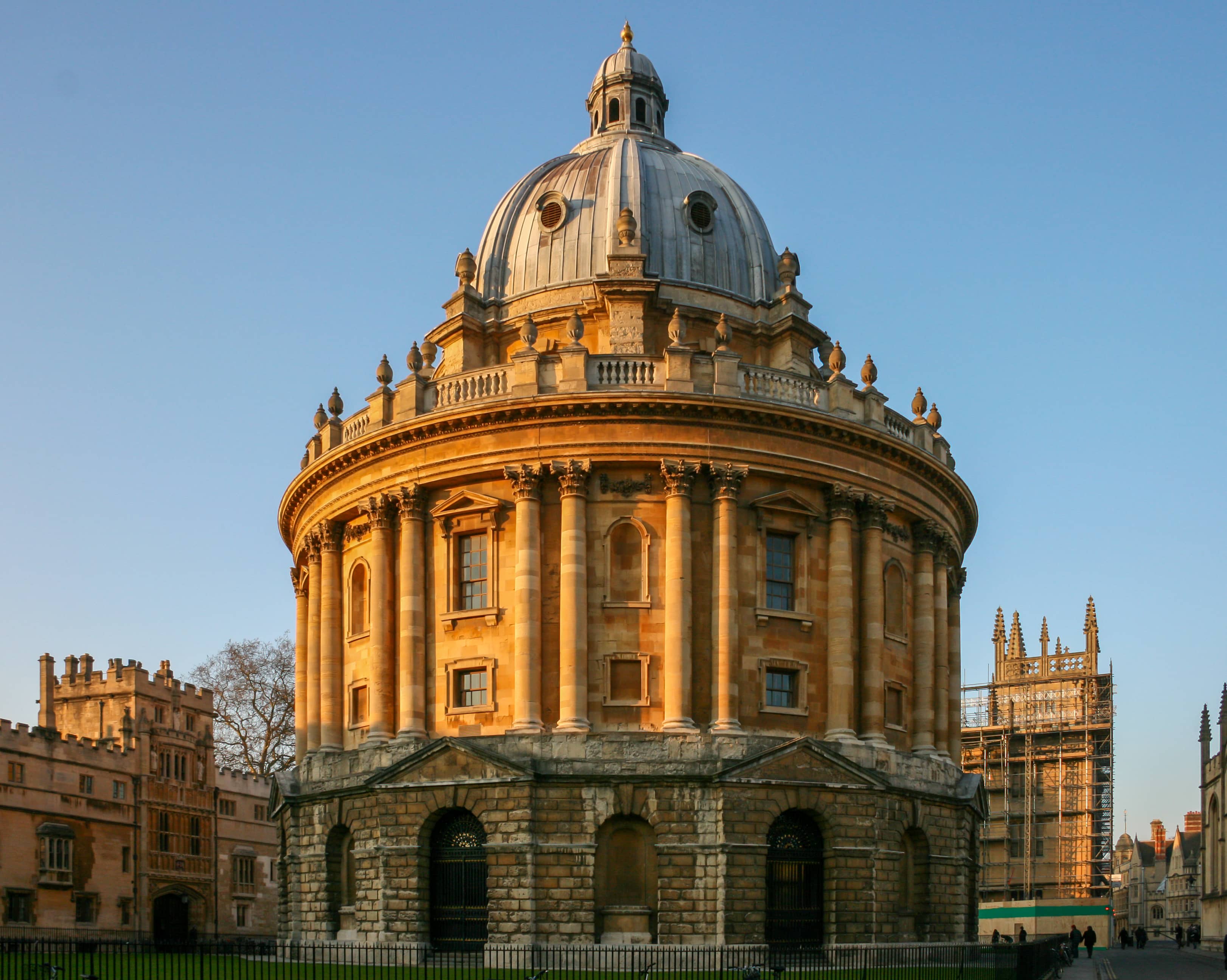
The Clarendon Fund Scholarships at the University of Oxford represent one of the most prestigious and accessible fully funded scholarship opportunities for Indian students seeking to pursue graduate studies at one of the world's top-ranked universities. With over 200 new scholarships awarded every year across all academic disciplines, the Clarendon Fund removes financial barriers for exceptional students from India and around the globe.
What makes the Clarendon Scholarship particularly attractive for Indian applicants is its automatic consideration process—there's no separate scholarship application form, no additional essays, and no extra interviews. Simply apply to your chosen Master's or DPhil (PhD) program at Oxford by the January 2027 deadline, and you'll automatically be considered for this life-changing funding opportunity that covers 100% of tuition fees plus a generous living stipend of at least £18,622 (approximately ₹19 lakh) per year.
📊 Quick Facts
| University | University of Oxford |
| Country | UK |
| Coverage | Full tuition + college fees + annual living stipend (minimum £18,622) for the entire course duration |
| Amount | £29,000 - £44,000 tuition + £18,622 stipend per year (approx. £47,622 - £62,622 total per year) (₹48,00,000 - ₹80,00,000 per year (tuition + living costs combined)) |
| Deadline | 2027-01-07 |
| Intake | October 2027 |
| Courses | All Master's degrees (MSc, MPhil, MSt, MBA, MFE), All DPhil (PhD) programs, All full-time and part-time graduate degree-bearing courses across all subjects |
| Official link | View on University of Oxford website → |
Overview of the Clarendon Fund Scholarships 2027
Established in 2001 and primarily funded by Oxford University Press, the Clarendon Fund is the University of Oxford's flagship graduate scholarship program. It stands as one of the largest and most generous scholarship schemes at any top-tier global university, offering approximately 140-200 new fully funded awards each academic year.
The scholarship is designed with a single mission: to attract and support the brightest graduate students worldwide, regardless of their financial circumstances. For the 2027-28 academic year (October 2027 intake), Indian students pursuing any Master's degree or DPhil across all subject areas—from Engineering and Computer Science to Humanities, Social Sciences, and Medical Sciences—are eligible to apply.
Key highlights for Indian students:
- No nationality restrictions—Indian citizens are fully eligible
- No age limit
- All graduate courses eligible (500+ programs)
- No separate scholarship application required
- Automatic consideration when you apply to Oxford by the funding deadline
- Selection based purely on academic merit and potential
The Clarendon scholarship is awarded for the full duration of your fee liability, typically ranging from one year for taught Master's programs (MSc, MBA) to 3-4 years for DPhil (PhD) programs.
What's Covered: Complete Financial Package
🎓 Ready to Study Abroad?
Get free personalised guidance — loans, scholarships, admissions. No fees, ever.
The Clarendon Fund provides comprehensive funding that eliminates the need for part-time work, allowing scholars to focus entirely on their academic pursuits.
Full Tuition and College Fees
The scholarship covers 100% of course fees at the international (overseas) rate. For Indian students, Oxford's international tuition fees for 2026-27 range from approximately:
- £29,000 to £33,000 per year for arts, humanities, and social sciences programs (approx. ₹29-33 lakh)
- £37,000 to £44,000 per year for sciences, engineering, and clinical programs (approx. ₹37-44 lakh)
- MBA tuition is approximately £74,000 total (approx. ₹75 lakh)
In addition to tuition, the scholarship also covers college fees (approximately £3,500-£4,000 per year), which are mandatory at Oxford.
Annual Living Stipend
Full-time Clarendon Scholars receive an annual grant for living expenses set at the UK Research and Innovation (UKRI) minimum doctoral stipend rate. For 2023-24, this was at least £18,622 per year, and it typically increases annually in line with inflation. By 2026-27, this is expected to be approximately £19,500-£20,000 per year (₹19.5-20 lakh).
This stipend is designed to cover:
- Accommodation (college rooms or private rental)
- Food and groceries
- Transportation within Oxford
- Study materials and books
- Personal expenses
- Health insurance (though international students also pay the Immigration Health Surcharge for NHS access)
Duration of Funding
Scholarships are awarded for your entire period of fee liability:
- 1-year Master's programs (MSc, MSt, MFE): Full funding for 12 months
- 2-year Master's programs (MPhil, some MSc): Full funding for 24 months
- MBA: Full funding for 21 months
- DPhil (PhD): Full funding for 3-4 years depending on the discipline
Some DPhil scholarships may provide an extended stipend (living costs only) beyond the fee liability period, at the discretion of the academic division.
What's NOT Covered
The Clarendon Fund does not cover:
- Return airfare to/from India (unlike some scholarships such as Rhodes or Commonwealth)
- Visa application fees and Immigration Health Surcharge
- Oxford application fee (£75)
- Continuation charges (if applicable after your fee liability period ends)
- Dependent/family allowances
For most scholars, the total value of a Clarendon Scholarship ranges from £47,000 to £125,000+ depending on course length and discipline—approximately ₹48 lakh to ₹1.25 crore at current exchange rates.
Eligibility Criteria for Indian Students
The Clarendon Fund has refreshingly straightforward eligibility requirements with no hidden criteria or regional quotas.
Nationality and Residency
Indian citizens are fully eligible regardless of where you currently reside. There are zero restrictions based on nationality or country of ordinary residence. The scholarship is open to applicants from all countries, including India.
Academic Requirements
The Clarendon scholarship is awarded purely on academic merit and potential. While there's no official minimum GPA cutoff, successful Indian applicants typically have:
- A first-class honours degree or equivalent (typically 60%+ from top Indian universities, or 65-70%+ from other recognized universities)
- GPA of 3.7/4.0 or higher (for universities using the GPA system)
- For Master's applicants with lower undergraduate marks: an outstanding Master's degree can compensate
- Evidence of top performance: university prizes, gold medals, class rank, publications (if applicable)
Indian university context: Oxford understands the grading differences across Indian universities. A 65% from IITs, NITs, or top central/deemed universities is often viewed more favorably than 75% from lesser-known institutions. Your overall academic trajectory, strength of references, and research potential matter as much as raw percentage scores.
Course Eligibility
All degree-bearing graduate courses are eligible:
- All full-time Master's degrees (MSc, MPhil, MSt, MBA, MFE, etc.)
- All part-time Master's degrees
- All DPhil (PhD) programs
NOT eligible: Postgraduate Certificate or Postgraduate Diploma courses.
Popular courses for Indian students include:
- MSc/DPhil in Computer Science and Engineering
- MSc/DPhil in Data Science, Machine Learning, AI
- MBA (Saïd Business School)
- MPhil/DPhil in Economics, Development Studies
- MSc/DPhil in Mathematics, Statistics
- MSc in Evidence-Based Social Intervention and Policy Evaluation
- MPhil/DPhil in International Relations, Politics
- MSc/DPhil in Materials Science, Physics, Chemistry
Application Timing
You must be applying for a new course starting in October 2027. The following are NOT eligible:
- Current Oxford students continuing the same degree
- Students with deferred offers from a previous cycle
However, if you're currently completing a Master's at Oxford and reapplying for a DPhil, you ARE eligible for Clarendon funding for the DPhil.
English Language Requirements
As with all Oxford courses, you must meet the English proficiency requirements. Most courses require the "Higher Level" standard:
- IELTS Academic: Overall 7.5, with minimum 7.0 in each component
- TOEFL iBT: Overall 110, with minimum 25 in Listening, 25 in Reading, 24 in Speaking, 24 in Writing
Indian applicants who completed their entire undergraduate degree in English medium may request a waiver, though it's not guaranteed. Always check your specific course page for exact requirements.
Application Process: Step-by-Step for Indian Students
The Clarendon application process is beautifully simple: there is no separate scholarship application. Your Oxford course application IS your Clarendon application.
Step 1: Choose Your Course (June - September 2026)
Visit the Oxford Graduate Admissions website and browse the A-Z list of graduate courses. Identify programs that align with your academic background and research interests. You can apply to a maximum of three graduate courses in one admissions cycle (of which only two can be taught Master's programs).
Step 2: Prepare Application Materials (July - November 2026)
Strong Clarendon applications require meticulous preparation. Start at least 4-6 months before the deadline. You'll need:
- Academic transcripts: Official transcripts from all universities attended (in English or with certified translations)
- Degree certificates: Scanned copies of your Bachelor's (and Master's if applicable) degree certificates
- Personal statement: Typically 1,000-1,500 words explaining your academic background, research interests, why Oxford, and career goals
- Research proposal: For DPhil and some MPhil programs—usually 1,500-2,500 words outlining your proposed research question, methodology, and significance (this is CRITICAL for Clarendon selection)
- CV/Resume: Academic-focused, highlighting education, research experience, publications, presentations, awards
- Three academic references: From professors or supervisors who can speak to your academic abilities and research potential. Choose referees carefully—quality matters more than seniority
- English language test scores: IELTS or TOEFL (unless exempted)
- GRE/GMAT: Required for some courses (especially MBA, some Economics programs). Check your course page
- Writing sample: Some courses require a sample of your academic writing (typically 2,000-5,000 words)
Indian-specific tip: If your transcripts show percentage marks, include a clear grading scale explanation. If you ranked highly in your class, ask your university to provide a rank certificate or mention it in your CV.
Step 3: Submit Your Oxford Application (By December 2026 or January 2027)
Create an account on the Oxford graduate application portal and complete the online form. The exact deadline depends on your course:
- December deadline: Typically December 2-3, 2026 (12 noon UK time)
- January deadline: Typically January 7-8, 2027 (12 noon UK time)
Check your specific course page on the Oxford website for the exact date. Most courses use the January deadline, but some competitive programs (especially in sciences) may have a December deadline.
CRITICAL: To be considered for Clarendon and most other Oxford scholarships, you MUST apply by the December or January funding deadline. Applications submitted after this (e.g., to March deadlines) are NOT eligible for Clarendon, regardless of academic strength.
On the application form, there is NO separate tick-box or section for Clarendon—you're automatically considered.
Step 4: Ensure Complete Application
Your application must be 100% complete by the deadline:
- Application form submitted
- All supporting documents uploaded
- At least two reference letters submitted (three preferred)
- Application fee paid (£75)
Incomplete applications may not be considered for admission OR Clarendon funding.
Step 5: Selection Process (January - May 2027)
After you submit, here's what happens behind the scenes:
January - March 2027: Your application is reviewed by academics in your proposed field of study. They assess:
- Academic record and transcripts
- Research proposal quality and feasibility
- Personal statement and motivation
- Reference letters
- Academic potential and fit for Oxford
The department decides on admissions offers and simultaneously identifies the strongest candidates to nominate for Clarendon scholarships. Some applicants may be invited for interviews (virtual or in-person) during this period, especially for DPhil programs.
February - March 2027: Each academic division holds scholarship nomination meetings. Departmental nominees are ranked based on academic merit and potential, and a shortlist is created.
March - May 2027: The Clarendon Fund Administrator contacts successful applicants via email with the scholarship offer letter (called a "CB1"). If you receive this, congratulations—your funding is secure, conditional only on meeting your admission offer conditions.
April - June 2027: Clarendon Partnership Awards are finalized. Some scholars receive additional funding through partnerships with external organizations or colleges, creating bespoke funding packages. You'll receive a second letter (CB2) detailing your complete funding arrangement and final college placement.
Step 6: Notification of Results
- Admission decisions: Typically sent from late January through April 2027
- Clarendon offers: Most are sent by early April 2027, with some late offers into June
- If you haven't heard by mid-June 2027: Unfortunately, you have not been awarded a Clarendon scholarship (unsuccessful applicants are not notified)
Receiving an admission offer does NOT guarantee a Clarendon scholarship—only about 10-15% of admitted students receive Clarendon funding due to high competition.
Required Documents Checklist
To maximize your Clarendon chances, ensure these documents are exceptional quality:
1. Academic Transcripts and Certificates
- Official transcripts from all universities (Bachelor's + Master's if applicable)
- Must be in English or accompanied by certified translations
- Include grading scale explanations for percentage-based Indian systems
- Upload as clear, legible PDF scans
2. Personal Statement
- Typically 1,000-1,500 words (check course requirements)
- Explain your academic journey, research interests, why this specific Oxford program, and career goals
- Be specific about faculty you'd like to work with or research groups you're interested in
- Highlight achievements, but stay humble and intellectually curious
3. Research Proposal (for DPhil and most MPhil programs)
- Usually 1,500-2,500 words (varies by department)
- Should include: research question, literature review, methodology, significance/contribution, timeline
- This is THE most important document for Clarendon selection for research programs
- Show originality, feasibility, and alignment with Oxford faculty expertise
- Get feedback from professors before submitting
4. Three Academic References
- Must be from academics who can assess your research potential
- Ideally from professors who supervised your thesis/dissertation or taught you in advanced courses
- Provide referees with your CV, transcripts, and research proposal so they can write strong, specific letters
- Give referees at least 3-4 weeks' notice
- References are submitted directly by your referees through the Oxford system
5. CV/Resume
- Academic-focused: education, research experience, publications, presentations, awards, relevant work experience
- List publications in proper academic format
- Include standardized test scores (GRE, GMAT if applicable)
6. English Language Test Scores
- IELTS Academic or TOEFL iBT
- Test must be valid (typically within 2 years of application)
- Send official scores directly from the testing agency to Oxford
7. Additional Documents (course-dependent)
- GRE/GMAT scores: Required for some programs (MBA, some Economics courses)
- Writing sample: For some humanities and social science programs
- Portfolio: For arts-related programs
Selection Criteria: What the Committee Looks For
Clarendon scholars are selected by academic experts in each field based on three core criteria:
1. Outstanding Academic Record (40-50% weight)
- Strong undergraduate degree (first-class honours or equivalent)
- Consistent high performance across all years
- Particularly strong performance in subjects relevant to your proposed course
- Evidence of top-tier achievement: prizes, scholarships, class rank, dean's list
- For Indian students: grades are contextualized within your university's reputation and grading norms
2. Academic Potential and Aptitude (40-50% weight)
- Quality and originality of your research proposal (for research programs)
- Clarity of academic goals and research vision
- Alignment between your interests and Oxford faculty expertise
- Evidence you can contribute significantly to your field
- Strong, specific references attesting to your research capabilities
3. Motivation and Commitment (10-20% weight)
- Clear, compelling reasons for wanting to study this specific program at Oxford
- Demonstrated commitment to your field (research experience, publications, presentations)
- Long-term academic and career vision
Important: Unlike some scholarships (e.g., Rhodes, Chevening), Clarendon does NOT assess leadership potential, extracurricular activities, or social impact. It is purely focused on academic excellence and research potential.
Tips for Indian Applicants
Start Early (12-18 Months Before October 2027 Intake)
The most successful Indian applicants begin preparing in mid-2026 for October 2027 entry. This gives you time to:
- Research programs and identify potential supervisors
- Prepare for and take English language tests (and retake if needed)
- Draft and refine your research proposal with mentor feedback
- Build relationships with referees
- Prepare strong application materials
Craft an Outstanding Research Proposal
For DPhil and MPhil applicants, the research proposal is the single most important document. Tips:
- Read recent publications by Oxford faculty in your area
- Identify a clear gap in existing literature
- Propose a focused, feasible research question
- Demonstrate awareness of methodology and potential challenges
- Show how your research contributes to the field
- Get feedback from multiple academics before finalizing
- Align your proposal with the research interests of specific Oxford faculty—mention them by name
Choose Strong Referees
References can make or break your Clarendon chances. Choose:
- Professors who know your work deeply (not just lecture attendees)
- Thesis/dissertation supervisors
- Faculty who can speak specifically to your research potential
- Academics with PhDs from top international universities (if possible)
Provide your referees with all context: your CV, transcripts, research proposal, statement of purpose, and details about the Oxford program. The more information they have, the stronger their letter will be.
Contextualize Your Indian Academic Record
- If your university uses a percentage system, provide clear grading scale explanations
- Mention your class rank if you're in the top 5-10%
- Highlight university-level achievements: gold medals, merit scholarships, department prizes
- If you attended a top institution (IITs, NITs, BITS, top central/deemed universities), this adds weight
- If you published research or presented at conferences as an undergraduate, emphasize this strongly
Demonstrate "Oxfordness"
Oxford looks for intellectual curiosity, independent thinking, and the ability to thrive in a tutorial-based system. In your personal statement:
- Show genuine passion for your subject beyond grades
- Demonstrate critical engagement with academic debates in your field
- Explain how you've pursued independent learning or research
- Be specific about why Oxford (not just "it's prestigious")—mention specific faculty, research centers, resources
Apply to Multiple Oxford Scholarships Simultaneously
While Clarendon requires no separate application, some Oxford scholarships DO require additional forms. If eligible, also apply for:
- Felix Scholarships (for Indian students, but highly competitive—only 1-2 awards/year for India)
- Weidenfeld-Hoffmann Scholarships (leadership-focused, separate application required)
- Subject-specific scholarships (check your department's page)
- College-specific scholarships (some colleges offer their own funding)
By submitting your Oxford application by the January deadline, you're automatically considered for Clarendon and most other centrally-managed scholarships.
Consider Your Course Choice Strategically
Some courses are more competitive than others. While you should apply to programs that genuinely excite you, be aware:
- Highly competitive courses (MBA, MSc Economics, DPhil Computer Science) have lower Clarendon success rates simply due to volume
- Less common subject areas or interdisciplinary programs may have slightly better odds
- Check departmental statistics: some departments consistently nominate more Clarendon scholars
Prepare for Possible Interviews
Not all programs interview, but many DPhil and some MPhil/MSc programs do (especially in sciences). If invited:
- Interviews are usually conducted virtually for international applicants
- Expect questions about your research proposal, methodology, and how you'd contribute to the department
- Be prepared to defend your ideas and think critically
- Demonstrate enthusiasm and intellectual curiosity
- Research your interviewers' work beforehand
Financial Planning Beyond Clarendon
While waiting for Clarendon results (decisions come March-May), have a backup plan:
- Research external scholarships: Tata Trusts, Inlaks, KC Mahindra, JN Tata Endowment
- Check if you're eligible for other Oxford scholarships
- Consider education loans (many Indian banks offer loans for Oxford with Clarendon as security)
- Remember: receiving an Oxford admission offer without Clarendon is still a significant achievement—explore other funding options
Frequently Asked Questions
Can Indian students apply for the Clarendon Scholarship?
Yes, absolutely. The Clarendon Fund has zero nationality restrictions. Indian citizens are fully eligible and are among the largest groups of international scholars at Oxford. Each year, multiple Indian students receive Clarendon awards across various disciplines.
Do I need to submit a separate application for Clarendon?
No. There is no separate Clarendon application form, no additional essays, and no extra interviews specifically for the scholarship. When you submit your Oxford graduate course application by the December or January funding deadline, you are automatically considered for Clarendon. The only requirement is applying on time to an eligible course.
What is the application deadline for Clarendon Scholarship 2027?
The deadline depends on your chosen course. Most courses have a January deadline (typically January 7, 2027 at 12 noon UK time), while some have a December deadline (typically December 2, 2026 at 12 noon UK time). You must check your specific course page on the Oxford Graduate Admissions website for the exact date. Applications submitted after the December/January funding deadline are NOT eligible for Clarendon, even if the course has a later (March) deadline.
What GPA or percentage do I need from an Indian university to be competitive?
While there's no official cutoff, successful Indian applicants typically have a first-class honours equivalent. This generally means 60%+ from top-tier Indian universities (IITs, NITs, BITS, top central universities) or 65-70%+ from other recognized universities. For universities using GPA, aim for 3.7/4.0 or higher. However, grades are only part of the equation—a strong research proposal, excellent references, and demonstrated academic potential are equally important. If you have an outstanding Master's degree, it can compensate for moderate undergraduate marks.
Does Clarendon cover airfare from India to the UK?
No. Unlike some scholarships (Rhodes, Commonwealth), the Clarendon Fund does not provide airfare, visa fees, or the Immigration Health Surcharge. It covers tuition, college fees, and living expenses only. However, the generous living stipend (£18,622+) gives you flexibility to save or budget for travel. Some scholars also apply for small college grants to cover initial travel costs.
Can I apply for Clarendon if I already have a Master's degree?
Yes. You can apply for Clarendon for a second Master's or a DPhil even if you already hold a Master's degree. Many successful scholars have multiple Master's degrees or are transitioning from a Master's to a DPhil. The key requirement is that you must be starting a NEW course—current Oxford students continuing the same degree are not eligible.
How many Indian students receive Clarendon Scholarships each year?
Oxford does not publish nationality-specific breakdowns, but based on Clarendon scholar profiles and Indian student communities at Oxford, approximately 10-20 Indian students receive Clarendon awards annually (out of 200+ total awards). This makes it one of the most significant funding sources for Indian graduate students at Oxford, alongside the Felix Scholarship and departmental awards.
What is the success rate for Clarendon?
The Clarendon Scholarship is highly competitive. Approximately 200 scholarships are awarded from thousands of eligible applications each year, giving an overall success rate of around 5-10% for applicants who apply by the funding deadline. However, success rates vary significantly by field—some departments consistently nominate more scholars than others. Your individual chances depend on the strength of your application, your chosen program, and the competition in your specific year and field.
Can I hold Clarendon alongside other scholarships?
This depends on the specific scholarship. Clarendon can often be combined with college awards or departmental funding to create a "partnership award" with enhanced benefits. However, most major external scholarships (Rhodes, Commonwealth, Felix) cannot be held simultaneously with Clarendon as they're also full-funding schemes. If you're offered multiple scholarships, you'll need to choose one. Check the terms and conditions of each award.
What should I do if I don't get Clarendon but receive an Oxford admission offer?
First, congratulations—an Oxford admission offer is a significant achievement on its own! If you don't receive Clarendon, explore these options:
- Check if you've been awarded any other Oxford scholarships (you may receive partial funding even without Clarendon)
- Apply for external scholarships specifically for Indian students: Tata Trust, Inlaks Shivdasani, KC Mahindra, JN Tata Endowment, Narotam Sekhsaria
- Explore education loans from Indian banks (many offer favorable terms for Oxford admits)
- Contact your assigned Oxford college—some colleges have additional funding pots
- Check your department for research assistantships or teaching opportunities
- Consider deferring for one year while you secure alternative funding
Is IELTS mandatory for Indian students, or can I get a waiver?
English language test requirements depend on your educational background. Indian applicants may qualify for a waiver if they completed their entire undergraduate degree at an institution where English was the sole language of instruction. However, waivers are not automatic—you must request one, and the university/department makes the final decision. Many Indian applicants find it safer to take IELTS or TOEFL rather than risk waiver rejection. Check with your specific department's admissions office before assuming a waiver will be granted.
When will I know if I received the Clarendon Scholarship?
Most Clarendon offers are sent between March and early May 2027, with the majority by early April. Some late offers may come through June if nominated scholars withdraw. If you haven't received any communication from the Clarendon Fund Administrator by mid-June 2027, you can assume you were not awarded the scholarship (unsuccessful candidates are not individually notified due to the high volume of applications). You'll first receive an admission decision from your department (usually January-April), then separately receive the Clarendon offer if selected.
Ready to take the next step? Visit the official Clarendon Fund website to learn more, explore the scholar community, and begin your application to the University of Oxford for October 2027 entry. The deadline is approaching—start your application today and join over 700 Clarendon Scholars from 70+ countries pursuing world-class graduate education at Oxford.
Amazon Associate Recommendation
📦 IELTS & Scholarship Prep Books
Best-selling IELTS and scholarship application guides — trusted by 10,000+ Indian students.
Shop on Amazon.in →Disclosure: As an Amazon Associate, EduDhruv earns a small commission from qualifying purchases. This helps keep our guidance free for students — at no extra cost to you.
How Clarendon Fund Scholarships compares
Quick side-by-side with other fully-funded options Indian students can apply to:
| Scholarship | University | Amount/yr | Deadline | Coverage |
|---|---|---|---|---|
| Clarendon Fund ScholarshipsYOU ARE HERE | 🇬🇧University of Oxford | ₹48,00,000 - ₹80,00,000 per year (tuition + living costs combined) | 7 Jan 2027 | 100% |
| Émile Boutmy Scholarship | 🇫🇷Sciences Po | ₹16,00,000 — ₹17,50,000 per year (depending on scholarship tier) | 30 Nov 2026 | 100% |
| McMaster University PhD Funding Package | 🇨🇦McMaster University | ₹11,00,000 - ₹12,50,000 per year (tuition + stipend combined) | 15 Jan 2027 | 100% |
| University of Alberta Minimum Guaranteed Funding for PhD Students | 🇨🇦University of Alberta | ₹16,25,000 per year minimum (Total ₹65,00,000 over 4 years) | 1 Jul 2027 | 100% |
💡 Tip: Indian students can apply to multiple 100%-funded scholarships in the same admission cycle. Compare deadlines and intakes carefully.
Senior Education Counsellor
Priya has helped 1,500+ Indian students get admission to top universities in UK, Canada and Australia over the last 8 years. She specialises in MBA admissions and education loans.
⭐ Rate this Article
Be the first to rate!
Login → to rate and join the discussion.
Sponsored

Related Articles

Fully Funded MBBS Scholarships Abroad 2027: Complete Guide
Fully funded MBBS scholarships abroad are competitive but achievable for Indian students with strong academic records and NEET scores. Learn which countries offer complete funding and how to apply in 2027.

Scholarships for Indian Students in Australia 2027
Australia offers over ₹40 lakh in annual scholarships for Indian students through government programs, universities, and private foundations. Learn the top schemes with 2027 deadlines and eligibility criteria.

Fully Funded Scholarships for High School Students 2027
Fully funded scholarships cover tuition, accommodation, and living costs for high school students globally. Learn about the top 2027 programs, eligibility, and how to apply as an Indian student.
💬 Discussion (0)
Sponsored
