
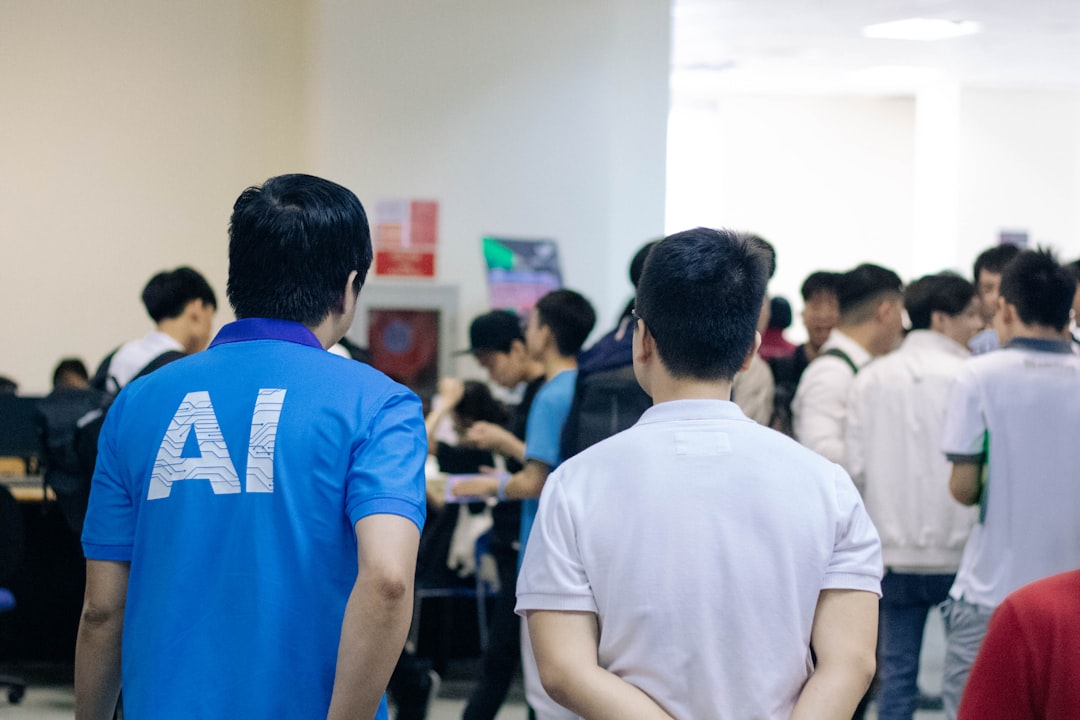
AI Does Homework: Is Student Learning Actually Happening?
Artificial intelligence is transforming education at an unprecedented pace, but educators and parents are asking critical questions about whether convenience equals competence. When AI tools can complete assignments, write essays, solve mathematics problems, and even take exams, the fundamental purpose of education—developing skills and understanding—comes into sharp focus.
The AI Assignment Problem: Automation Over Learning
A rapidly expanding ecosystem of AI-powered platforms now promises to handle the work students have traditionally done themselves. From generating entire research papers to solving complex problem sets instantly, these tools blur the line between academic assistance and academic dishonesty. While proponents argue they save time and reduce stress, critics worry that outsourcing intellectual work undermines the very foundation of education: the struggle that builds competency.
The stakes are particularly high because learning rarely happens without effort. When algorithms handle the cognitive heavy lifting—research, analysis, problem-solving—students miss the critical thinking experiences that develop expertise and confidence in their abilities.
Consequences for Students and Educators
This shift creates genuine challenges for teachers trying to assess actual student understanding. Traditional testing methods become unreliable when AI can replicate student work convincingly. More troublingly, students who rely on these tools may graduate without mastering essential skills employers expect: independent research, analytical thinking, and written communication.
Educators face pressure to redesign assessments around what AI cannot easily replicate—oral presentations, collaborative projects, and demonstration-based learning. However, not all schools have resources to implement these changes quickly, widening gaps between well-resourced and under-resourced institutions.
Strategic Pathways Forward
Rather than banning AI outright, education leaders increasingly recognize the need for thoughtful integration. This means teaching students how to use AI as a research and drafting tool rather than a completion engine. Schools implementing “AI literacy” programs help students understand both capabilities and limitations of these technologies.
Progressive institutions are shifting toward project-based and competency-driven assessments that require authentic demonstration of learning. Some educators are even incorporating AI into curricula deliberately—teaching students to work alongside algorithms rather than compete with them.
The central tension in modern education remains unresolved: How do we leverage AI’s efficiency without sacrificing the struggle that creates genuine understanding? As schools navigate this challenge, one question persists for every stakeholder—if AI does the work, what skills and confidence are students actually developing for their futures?
Photo by Nguyen Dang Hoang Nhu on Unsplash