
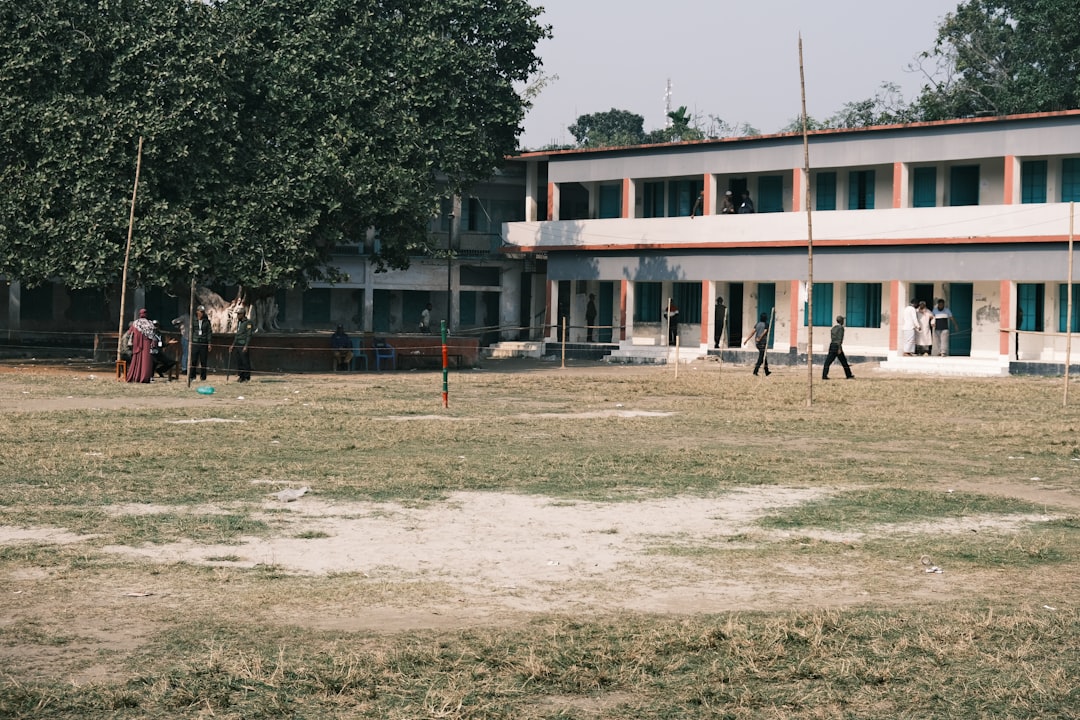
California Spends $100K Per Student to Keep Rural Schools Open
California faces a mounting fiscal crisis as rural school districts struggle with plummeting enrollment and rising operational costs. In isolated communities like Orick in Humboldt County, state education funding mechanisms have created an unusual situation where taxpayers invest over $100,000 annually per student to maintain traditional schoolhouse operations. This funding paradox highlights deeper questions about educational equity, rural viability, and how states should allocate limited resources.
Understanding Rural School Closures in California
School closures have become politically explosive across California, sparking fierce community resistance, teacher labor disputes, and administrative turmoil. Districts grapple with demographic shifts as families migrate to urban centers, leaving behind expensive infrastructure serving fewer children. Orick’s scenario exemplifies this challenge—maintaining a functioning school with minimal enrollment requires proportionally enormous per-pupil spending compared to suburban districts serving thousands. State funding formulas, designed to ensure baseline educational access, inadvertently create these high-cost situations in declining rural areas.
What This Means for Students and Educators
The implications extend beyond simple budget mathematics. Rural school funding California debates involve competing values: preserving community institutions versus maximizing educational resources. Keeping small schools operational maintains local employment, preserves cultural identity, and provides neighborhood-based learning. However, critics argue that disproportionate spending limits resources available for classrooms, technology, and programs statewide. Teachers in these districts face uncertain job security, while students may have limited course offerings and peer interaction opportunities compared to larger institutions.
Parents in rural communities view their schools as irreplaceable anchors providing stability, transportation efficiency, and family-centered education. School closures threaten these benefits and can accelerate rural population decline as families relocate seeking educational options.
What to Watch Next
California policymakers must address structural funding inequities while respecting rural communities’ legitimate needs. Future developments include potential formula revisions, online learning expansion, and regional consolidation proposals. Some districts explore creative solutions like shared services, virtual instruction integration, and community partnerships to reduce costs while maintaining quality education.
As enrollment patterns continue shifting, the fundamental question remains: How should wealthy states balance fiscal responsibility with rural educational access? Rural school funding California represents a broader national challenge—ensuring that geography doesn’t determine educational opportunity.
Photo by Pervez Robin on Unsplash