
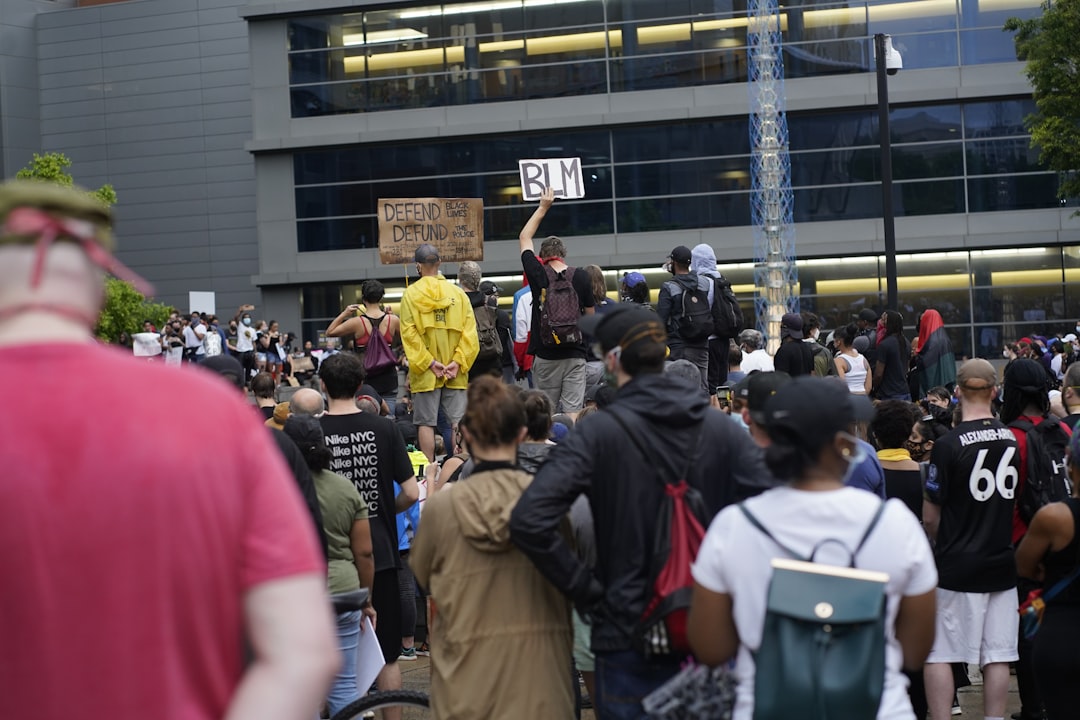
Chicago Students Rally for Civic Action Day
Thousands of middle and high school pupils across Chicago are preparing to engage in a significant student civic engagement day that blends educational programming with community activism. This initiative, championed by teacher unions and supported by district leadership, represents a growing trend of schools integrating real-world civic participation into their educational framework.
The event underscores how educational institutions are increasingly creating opportunities for young learners to experience democratic processes firsthand, moving beyond traditional classroom instruction into tangible community involvement.
Background: How This Initiative Came Together
Following sustained advocacy from union representatives, Chicago Public Schools administration reached consensus in mid-April to permit voluntary school participation in the coordinated day of action. The decision came after weeks of dialogue between education stakeholders about balancing instructional time with meaningful civic opportunities.
Schools participating in the initiative will host interactive morning sessions featuring assemblies, historical education segments, and musical performances designed to contextualize the afternoon’s community gathering. This structured approach ensures students gain educational value while participating in organized civic activities, making the experience both informative and inspiring.
Impact on Students and Educators
For participating young people, this represents a unique opportunity to understand how collective action functions within democratic systems. Rather than studying civics through textbooks alone, students experience authentic engagement with their communities and learn about advocacy, collective organizing, and social participation.
Teachers benefit equally by gaining space to facilitate conversations about citizenship, democratic responsibility, and social movements. This pedagogical approach strengthens relationships between educators and learners while demonstrating how classroom concepts translate into real-world applications.
What Comes Next for Chicago Schools
The success of this May 1st event may influence whether additional student civic engagement opportunities become regular programming within Chicago Public Schools. District officials and union leadership will likely evaluate participation rates, student feedback, and educational outcomes to determine sustainability.
Other school systems nationwide are watching this initiative closely, considering whether similar models could work within their own communities. The Chicago example suggests growing recognition that genuine civic participation strengthens both student learning and community connections.
As educational institutions grapple with how to prepare informed, engaged citizens, initiatives like Chicago’s demonstrate commitment to experiential learning beyond conventional classrooms. What aspects of civic education do you believe students gain most effectively through direct participation rather than textbook instruction?
Photo by Sharice Miller on Unsplash