
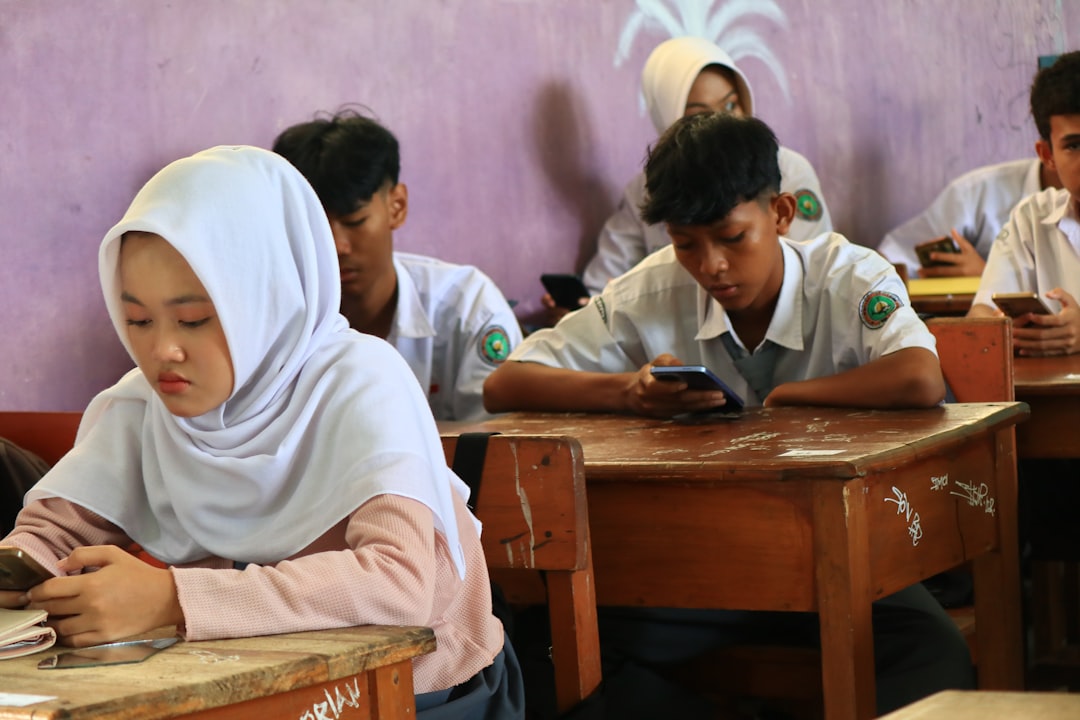
Early Grade Screen Time: What Teachers and Parents Really Think
The conversation around screen time in early grades has intensified significantly in recent months, with educators and parents increasingly questioning whether technology belongs at the heart of primary education. As schools continue integrating digital tools into classrooms, a critical debate has emerged about the genuine benefits versus potential drawbacks of device-dependent instruction for young learners.
Understanding the Growing Technology Pushback
Educational institutions across North America are experiencing a notable shift in perspective regarding classroom technology adoption. What once seemed like progressive innovation now faces scrutiny from multiple angles—teachers worry about student engagement, parents express concerns about developmental impacts, and researchers question whether digital tools actually improve learning outcomes. This recalibration reflects broader societal concerns about childhood screen exposure and its long-term effects on academic performance, social skills, and physical development.
Recent discussions featuring classroom practitioners have highlighted the disconnect between administrative mandates and what educators observe in practice. Teachers report that excessive device time can fragment student attention spans and reduce meaningful peer interaction during critical developmental years.
What Teachers and Parents Are Saying
Frontline educators working in elementary settings provide valuable perspective grounded in daily classroom reality. Third-grade teachers and primary caregivers emphasize that while technology has legitimate applications, its integration requires thoughtful boundaries and clear learning objectives. Many professionals advocate for a balanced approach—leveraging digital resources strategically rather than adopting them as default instructional methods.
Parents increasingly express desire for schools that prioritize hands-on learning, outdoor play, and face-to-face instruction over device-dependent curricula. These conversations reveal a fundamental tension between technological innovation and child-centered educational philosophy.
Implications for Educational Practice
The emerging consensus suggests that screen time in early grades demands careful calibration. Educators and families recognize that young children benefit from multi-sensory learning experiences—manipulative materials, physical movement, creative play—that screens cannot fully replicate. Rather than wholesale technology rejection, the discussion has evolved toward intentional implementation guided by pedagogical evidence rather than vendor marketing.
Schools considering their technology roadmap would benefit from consulting experienced educators who understand both instructional possibilities and developmental realities of primary learners.
Looking Ahead: The Path Forward
As this dialogue continues developing, educational leaders face decisions about resource allocation, professional development, and instructional design. The most successful early-grade programs will likely embrace what researchers call “purposeful technology integration”—using digital tools to enhance rather than replace essential learning experiences.
What role should technology play in your child’s early education, and how can schools transparently communicate their decisions to families?
Photo by Fajar Herlambang STUDIO on Unsplash