
Beyond Smiles: What High School Yearbooks Really Reveal
As another academic year concludes, thousands of students will participate in a cherished American tradition spanning over 160 years: receiving their high school yearbook. While digital media continues to dominate how young people document their lives, yearbooks remain surprisingly relevant to students navigating the complex terrain of adolescence. Yet emerging voices suggest these glossy records may be missing a crucial narrative—the untold struggles alongside the celebrated victories.
The Traditional Yearbook Narrative
Yearbooks have long served as visual time capsules of school life, featuring candid photos from sports events, theatrical productions, and social gatherings. Students and educators have described them as repositories of joy and camaraderie. However, this carefully curated presentation creates an incomplete portrait of the high school experience. The pages brimming with laughter and achievement often overshadow moments of genuine difficulty that define the adolescent years for many students.
What Students Are Really Saying
In conversations with high school and college students, a consistent theme emerges: yearbooks fail to acknowledge the mental health challenges, social anxiety, academic pressures, and personal hardships that simultaneously shaped their teenage years. Students appreciate the nostalgia these publications provide, yet many wish their yearbooks had created space to honor resilience alongside celebration. This gap between perception and reality raises important questions about how educational institutions document student life and what narratives get legitimized in official school records.
Rethinking How Schools Preserve Memories
This conversation about high school yearbooks student experience invites educators and yearbook committees to reconsider their approach. Rather than presenting an exclusively positive highlight reel, schools might explore more honest documentation methods. Some institutions are experimenting with student reflection pieces, mental health awareness sections, and community support features that acknowledge the full spectrum of teenage life. These modifications don’t diminish celebration but rather contextualize achievements within realistic frameworks.
Moving Forward Meaningfully
As institutions continue evolving their approaches to memory-keeping, the yearbook tradition offers an opportunity for meaningful reflection. Schools can maintain the cherished aspects while creating authentic representations of student experience. Whether through redesigned yearbook formats or supplementary digital storytelling platforms, the goal remains consistent: helping students recognize that their complete journey—struggles included—deserves documentation and acknowledgment.
What would your high school yearbook have looked like if it truthfully reflected both your celebrations and your challenges?
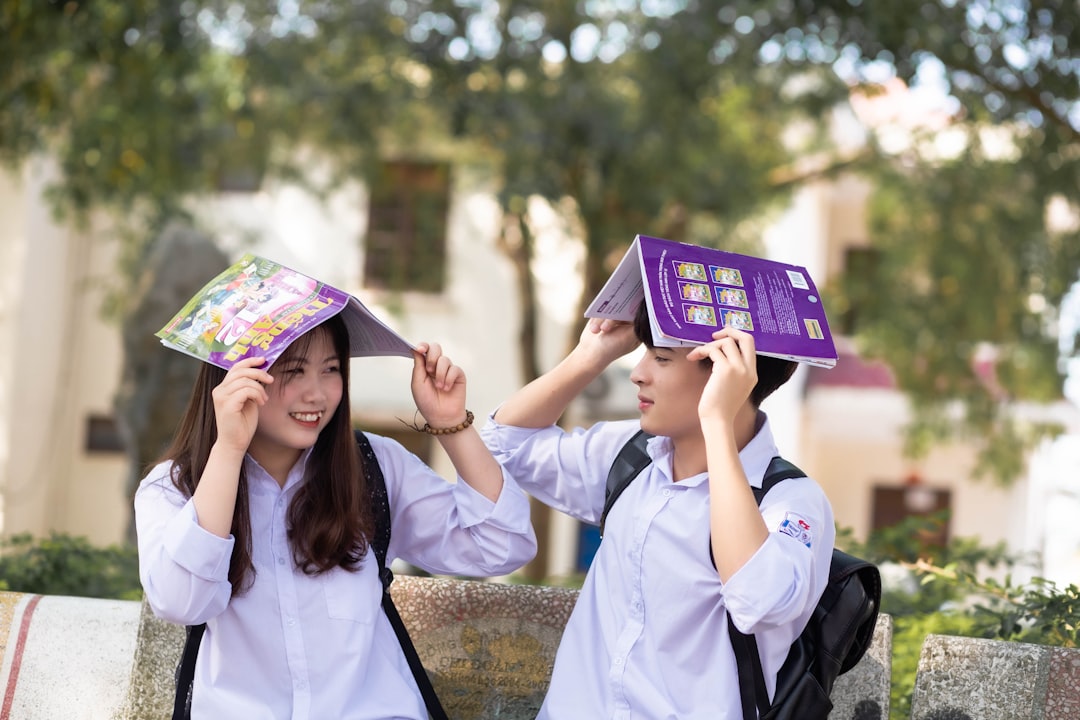
Photo by Trần Văn Sơn on Unsplash