
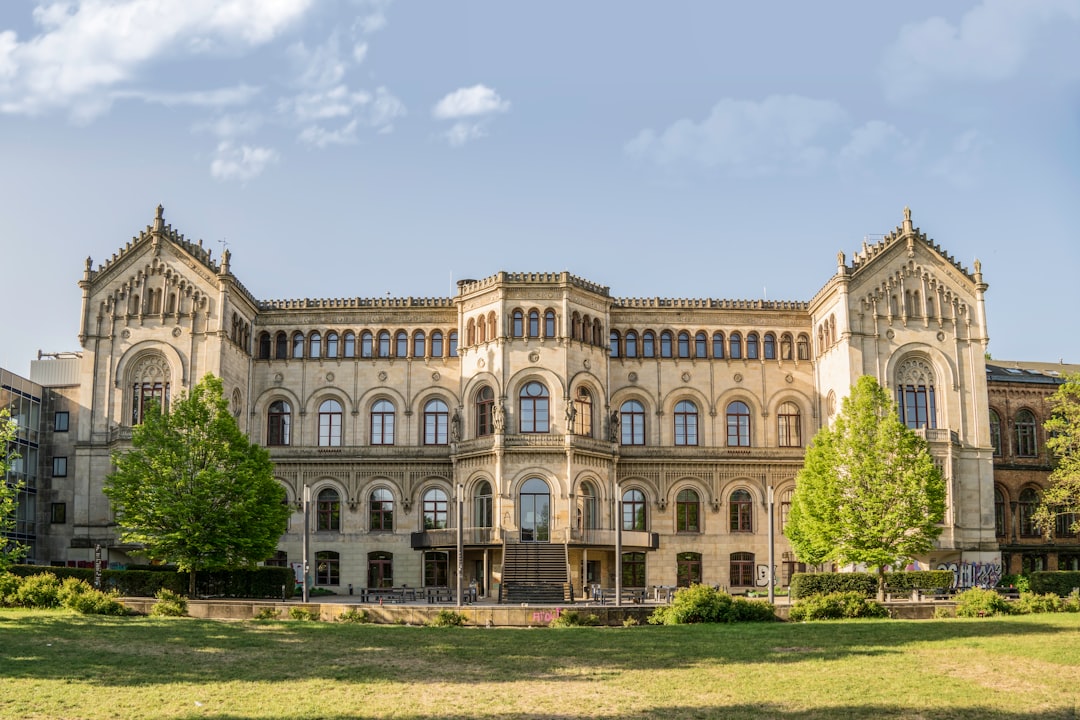
Study in Germany from India 2025-26: Free Tuition & Visa Guide
Why Study in Germany from India in 2025-26?
Germany offers free or nearly-free university education to international students, including Indians, making it one of the most affordable study destinations globally. With over 12,500 Indian students currently studying in Germany (DAAD 2024 data), the country has a proven track record of supporting Indian talent. You’ll access world-class engineering, medicine, and research programs without the massive tuition fees charged by UK or USA universities.
Top 3 Universities in Germany (QS Ranking 2025)
- Technical University of Munich (TUM) – QS Rank #50 globally. Specializes in engineering, computer science, and technology. Located in Munich with thriving tech hubs nearby.
- Heidelberg University – QS Rank #105. Germany’s oldest university with excellent programs in medicine, physics, and humanities. Beautiful campus in Baden-Württemberg.
- University of Berlin (Humboldt) – QS Rank #118. Strong in natural sciences, medicine, and social sciences. Capital city location offers excellent internship opportunities.
Check Education Loan Eligibility — Free
Compare Prodigy Finance, MPOWER, Credila, Avanse & SBI. No credit score impact.
Cost Breakdown: Fees in INR for Indian Students (2025-26)
| Program Type | Tuition/Year (INR) | Living Cost/Year (INR) | Total/Year (INR) |
|---|---|---|---|
| Bachelor’s (Public University) | ₹0–₹1,20,000 | ₹6,00,000–₹8,00,000 | ₹6,00,000–₹9,20,000 |
| Master’s (Public University) | ₹0–₹2,00,000 | ₹6,00,000–₹8,00,000 | ₹6,00,000–₹10,00,000 |
| Engineering (TUM) | ₹80,000–₹1,50,000 | ₹7,00,000–₹9,00,000 | ₹7,80,000–₹10,50,000 |
| MBA (Private) | ₹15,00,000–₹25,00,000 | ₹6,00,000–₹8,00,000 | ₹21,00,000–₹33,00,000 |
Key Point: Most public universities in Baden-Württemberg and Bavaria charge minimal tuition (€0–€3,500/year = ₹0–₹2,90,000). Living costs in Berlin or Cologne are cheaper (₹5,50,000–₹6,50,000/year) than Munich (₹8,00,000–₹9,50,000/year).
Education Loan Options for Indian Students
State Bank of India (SBI) – Education Loan Scheme: Interest rate 8.15%–8.45% per annum (2025). Loan amount up to ₹20 lakhs for Master’s programs. Repayment begins 6 months after course completion. Processing fee: 1% of loan amount. Eligibility: Valid admission letter + German university enrollment proof + parental co-signer required.
Other Options: HDFC Bank (8.50%–9.50%), ICICI Bank (8.25%–9.00%), Axis Bank (8.40%–9.30%). All require similar documentation and offer 5–10 year repayment periods.
Visa: 3 Key Documents You Must Submit
- Blocked Account Statement (Sperrkonten): ₹8–10 lakhs (~€10,000) deposited in a blocked German bank account for 12 months. This proves financial capacity. Without this, your student visa will be rejected.
- University Admission Letter: Original acceptance letter from recognized German university on official letterhead with enrollment date and degree confirmation.
- Health Insurance Certificate: German statutory health insurance proof (₹80,000–₹1,20,000/year) or private international insurance. Mandatory before visa approval.
Processing Time: 4–8 weeks. Apply at German embassy in Delhi, Mumbai, Bangalore, or Kolkata. Visa fee: ₹8,000–₹12,000.
Top Scholarship: DAAD Scholarships 2025-26
German Academic Exchange Service (DAAD) Masters Scholarships: Monthly stipend ₹1,00,000 (~€1,200) for Master’s students. Covers tuition + living expenses. 5,000+ Indian students have benefited since 2015. Eligibility: Bachelor’s degree with 60%+ marks, valid German language proficiency (B2 level), and strong academic record. Application deadline: October 2024 for Fall 2025 intake.
Quick Facts at a Glance
| Average Annual Cost (Excluding Scholarships) | ₹7,00,000–₹9,00,000 |
| Indian Students in Germany (2024) | 12,500+ |
| Public University Tuition | Free to ₹2,00,000/year |
| English-Taught Master’s Programs | 2,000+ programs available |
| Work Permit (Student Visa) | 20 hours/week during semester; full-time during breaks |
| Post-Study Work Visa | 18-month job-search visa valid until 2026 |
Frequently Asked Questions
Do Indian students really study free in Germany?
Yes, most public universities in Germany charge zero or minimal tuition fees (€0–€3,500/year) to international students, including Indians. However, you must cover living costs (₹6–8 lakhs/year) and sometimes admission fees. Private universities and some MBA programs cost significantly more (₹15–25 lakhs/year).
Is German language mandatory to study in Germany?
Not always. For English-taught Master’s programs (2,000+ available in 2025-26), English proficiency (TOEFL/IELTS) is sufficient. However, for German-taught Bachelor’s and some Master’s programs, B2 German language proficiency is required. Many Indian students learn German in preparatory courses (₹1,50,000–₹3,00,000) before their degree.
What is the minimum bank balance needed for German student visa?
As of 2025, you must have ₹8–10 lakhs (~€10,000) in a blocked account (Sperrkonten) with a German bank. This amount must remain frozen for 12 months and is released gradually for your living expenses. It’s non-negotiable for visa approval.
Can I get a job after my Master’s degree in Germany?
Yes. After completing your Master’s, you get an 18-month job-search residence permit (valid through 2026) to find employment. Once hired, you can extend your visa for up to 4 years. Tech graduates from TUM and Berlin universities are highly sought after by German companies, with average starting salaries around ₹20–30 lakhs annually.
Final Takeaway
📚 Recommended Resources on Amazon
- 📦 IELTS Preparation Book 2025 — Best-selling IELTS prep guide
- 📦 Study Abroad Travel Adapter Universal — Universal travel adapter for students
- 📦 Student Laptop Backpack — Durable backpack for university
- 📦 TOEFL iBT Prep Plus 2025 — Official TOEFL preparation guide
As an Amazon Associate, EduDhruv earns from qualifying purchases.
Studying in Germany from India in 2025-26 remains an exceptional opportunity for cost-effective, world-class education. With zero tuition fees at public universities, 12,500+ Indian students already thriving there, and genuine post-study work opportunities, Germany is a practical alternative to expensive English-speaking countries. Start with your admission application now—deadlines are typically January (Spring intake) and May–July (Fall intake).
Photo by Todor Andonov on Unsplash