Native American Student Housing: Montana’s Expanded Support
Educational institutions across Montana are reshaping their approach to supporting indigenous learners by broadening eligibility criteria for their Native American tuition relief programs. This significant policy shift extends assistance to a wider demographic of students, including descendants of tribal nations. As prospective and current students from indigenous backgrounds evaluate their options, understanding how these expanded benefits intersect with student housing accommodation decisions becomes increasingly important for financial planning and campus integration.
Understanding Montana’s Policy Transformation
The Montana University System has restructured its long-standing Native American tuition waiver initiative, removing restrictions that previously limited who could access these financial resources. University administrators emphasize that this expansion represents an overdue recognition of educational equity principles. The institutional shift reflects broader conversations about inclusive support systems designed to remove barriers for underrepresented populations in higher education. These financial modifications create opportunities for more indigenous students to afford tuition—funds that can now be allocated toward other essential education expenses, including student housing accommodation options both on and off campus.
What This Means for Your Campus Living Situation
When tuition burdens decrease through expanded aid programs, students gain greater flexibility in selecting their dormitory arrangements and residential options. Many indigenous learners can now explore residential hall choices without solely prioritizing the most economical on-campus housing. Universities often require first-year students to reside in campus dormitories, making tuition relief particularly valuable for managing overall education costs. With increased financial breathing room, students might consider residence halls offering enhanced community support, cultural programming, or proximity to indigenous student centers. Off-campus student housing accommodation becomes a more viable option during upper-class years, allowing learners to experience diverse living environments while maintaining academic focus.
Future Implications for Indigenous Student Communities
This expansion signals a commitment to comprehensive student support extending beyond classroom environments. Universities are likely to strengthen residential life programming that celebrates indigenous cultures and fosters belonging within student housing accommodation spaces. Campus dormitories increasingly serve as community hubs where cultural identity development occurs alongside academic growth. As more indigenous students access higher education through expanded tuition assistance, institutions may invest in culturally responsive housing options, dedicated resident advisors with cultural competency training, and programming within residence halls that acknowledges indigenous heritage.
Montana universities’ decision to broaden their Native American tuition waiver demonstrates institutional recognition that educational access requires addressing multiple dimensions of student success—including affordable campus living options. As you contemplate your own educational journey, consider how expanded financial aid programs influence your ability to select ideal student housing accommodation. What residential experiences would most support your growth as a learner and community member?
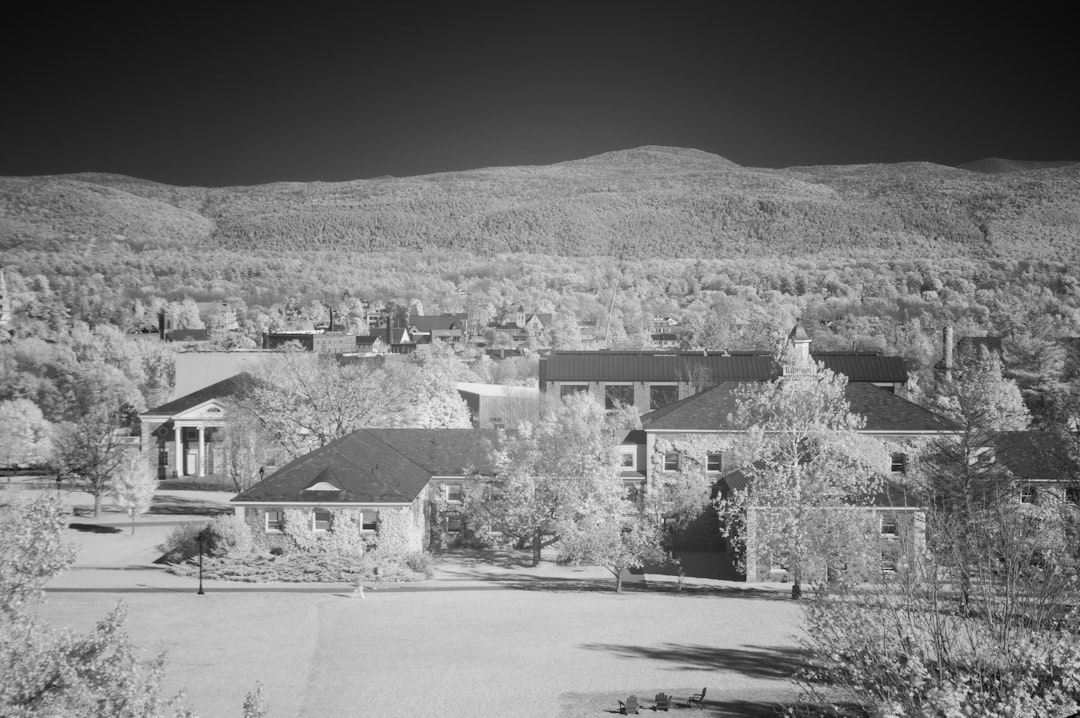
Photo by Austin on Unsplash