
Student Accommodation Toronto 2025: Cost, Areas & Complete Guide
Student Accommodation Toronto 2025: Complete Guide for International Students
Finding student accommodation in Toronto doesn’t have to be stressful. Whether you’re moving from India, the UK, or elsewhere, this comprehensive guide covers everything you need about student accommodation Toronto cost, areas, and tips for 2025. We’ve included real pricing data, Indian rupee conversions, and practical advice to help you make the right choice.
Why Toronto? City Overview for Students
Toronto is Canada’s largest city and home to world-class universities attracting over 400,000 international students across the city annually. The Indian student population in Toronto has grown to approximately 65,000-70,000 students, making it one of the largest diaspora communities.
Top Universities:
- University of Toronto (UTM, UTSC, St. George campuses)
- Ryerson University (now Toronto Metropolitan University)
- York University
- Seneca College
- George Brown College
Toronto offers excellent public transport (TTC), vibrant neighbourhoods, and a diverse, welcoming community. The city experiences cold winters (-5°C to -15°C) and mild summers (20-25°C), so accommodation location matters for commuting.
Types of Student Accommodation in Toronto 2025
1. University Residence Halls (Colleges)
Pros: Inclusive utilities, community atmosphere, no deposit hassle, furnished.
Cons: Limited availability (typically 40-60% of students housed), higher cost, strict rules, distance from campus for some.
Cost: CAD $800-1,400/month (₹48,000-84,000) including food plans.
2. Purpose-Built Student Accommodation (PBSA)
Pros: Modern facilities, gym/study spaces, social events, managed by professionals.
Cons: Expensive, competitive demand, long-term contracts.
Cost: CAD $1,200-2,000/month (₹72,000-1,20,000).
3. Shared Flats/Rental Apartments
Pros: Independence, flexible terms, better value, many choices.
Cons: Landlord responsibility, deposit required, utilities separate, higher hidden costs.
Cost: CAD $600-1,200/month (₹36,000-72,000) for a room in shared accommodation.
4. Homestay
Pros: Cultural experience, meals included, all-inclusive, supportive environment.
Cons: Less independence, commute time, less social flexibility.
Cost: CAD $900-1,300/month (₹54,000-78,000).
Average Rent Costs in Toronto 2025-2026
| Accommodation Type | CAD/Month | INR/Month | USD/Month |
|---|---|---|---|
| University Residence (single room) | CAD 900-1,400 | ₹54,000-84,000 | USD 650-1,000 |
| PBSA (studio/1-bed) | CAD 1,200-2,000 | ₹72,000-1,20,000 | USD 860-1,430 |
| Shared flat (private room) | CAD 650-1,100 | ₹39,000-66,000 | USD 465-790 |
| 1-Bedroom apartment (solo) | CAD 1,400-2,200 | ₹84,000-1,32,000 | USD 1,000-1,575 |
| Homestay (with meals) | CAD 950-1,350 | ₹57,000-81,000 | USD 680-965 |
Exchange Rate Used: 1 CAD = ₹60 (approximate for 2025)
Best Neighbourhoods for Students in Toronto 2025
1. Parkdale
Rent: CAD 700-950/month (₹42,000-57,000)
Why: Most affordable, diverse community, close to Ryerson/George Brown, TTC streetcar access, vibrant food scene.
Transport: 15-20 minutes to downtown via Spadina line.
Safety: Generally safe, well-lit streets, active community patrols.
2. The Annex (Bloor-Bathurst)
Rent: CAD 1,000-1,400/month (₹60,000-84,000)
Why: Heart of university district, walking distance to UofT, excellent restaurants, bookstores, cafés.
Transport: Multiple TTC lines, 10-minute walk to campus.
Safety: Very safe, police presence, busy pedestrian areas 24/7.
3. King West/Entertainment District
Rent: CAD 1,100-1,600/month (₹66,000-96,000)
Why: Nightlife, restaurants, modern condos, young professional vibe, close to Ryerson.
Transport: King streetcar, subway access.
Safety: Safe with good security, some noise concerns on weekends.
4. Leslieville/Beaches
Rent: CAD 900-1,300/month (₹54,000-78,000)
Why: Safer residential area, Queen Street shops, beach access, quieter than downtown.
Transport: Queen streetcar, 30-40 minutes to downtown.
Safety: Among Toronto’s safest neighbourhoods, family-oriented.
5. Kensington Market/Chinatown
Rent: CAD 850-1,200/month (₹51,000-72,000)
Why: Affordable, cultural hub, great for Indian/Asian students, excellent food options, walkable to UofT.
Transport: Spadina line, multiple streetcars.
Safety: Safe, busy streets, good police presence.
What’s Included in Rent?
University Residence: Usually includes heat, water, hydro (electricity), internet, furnished, some include meal plans.
PBSA: Typically includes utilities, WiFi, furnished common areas, gym access, cleaning services.
Shared Flats/Private Rentals: Rent covers ONLY the room. You pay separately for:
- Hydro (electricity): CAD 40-80/month (₹2,400-4,800)
- Water: CAD 20-40/month (₹1,200-2,400)
- Internet: CAD 50-80/month (₹3,000-4,800)
- Heat (winter): Included in rent or separate CAD 100-150
Pro Tip: Always clarify with landlords what’s included before signing. Many Toronto rentals include heat but exclude hydro and internet.
How to Book Student Accommodation in Toronto 2025
Best Platforms for Finding Accommodation
- Kijiji.ca – Canada’s largest classifieds site, local landlords, verify carefully
- Craigslist.ca – Wide listings, beware of scams
- PadMapper – Aggregates listings from multiple sources, user reviews
- Facebook Groups – “UofT Housing,” “Toronto Student Housing,” “Indian Students in Toronto”
- University Housing Portals – Direct from UofT, Ryerson, York websites
- Airbnb – Short-term before finding permanent housing
- PBSA Companies – Landmark, Accommodation Plus, Pure Spring, Maplewoods
Timeline for Booking 2025-2026
Start searching: January-February 2025 for September 2025 move-in
Apply to university residences: March-April (deadlines vary)
Sign private leases: April-June for September
Last-minute availability: August-early September (limited, higher prices)
Red Flags When Booking
- Asking for payment before viewing (common scam)
- Below-market rent (too good to be true)
- Unwilling to provide ID or property documents
- Requesting Western Union or cryptocurrency payments
- No written lease agreement
- Landlord unreachable or unresponsive after payment
- Photos from Google Images (reverse image search for verification)
Hidden Costs: The Real Financial Picture
Security Deposit
Amount: CAD 500-1,500 (₹30,000-90,000), typically equal to one month’s rent.
Important: By Ontario law, deposits must be held in interest-bearing accounts and returned within 30 days of move-out (minus damages).
First/Last Month’s Rent
Many landlords require full payment of first month and last month upfront. Budget: CAD 1,200-2,400 (₹72,000-1,44,000).
Guarantor/Reference Letter
Canadian landlords often require:
- Proof of income (study permit + acceptance letter for students)
- References from previous landlords
- Guarantor (parent or guardian, sometimes required for international students)
Council Tax (Property Tax)
Only applies if you own property. Renters are exempt.
Tenant Insurance
Optional but recommended: CAD 15-25/month (₹900-1,500) covers personal belongings against theft/fire.
Moving Costs
- Movers: CAD 1,500-3,500 (₹90,000-2,10,000) for full move
- DIY with rental truck: CAD 100-300 (₹6,000-18,000)
- Initial furniture/setup: CAD 500-2,000 (₹30,000-1,20,000)
Annual Miscellaneous
- Laundry (shared facilities): CAD 2-3 per load
- Maintenance requests: Usually free in rental apartments
- Parking (if not included): CAD 150-300/month (₹9,000-18,000)
Tips Specifically for Indian Students
Financial Planning from India
Budget for 12-month accommodation:
- Shared accommodation: CAD 7,200-13,200/year (₹4,32,000-7,92,000)
- PBSA: CAD 14,400-24,000/year (₹8,64,000-14,40,000)
- Total with utilities: Add CAD 1,200-2,400/year (₹72,000-1,44,000)
Indian Bank Education Loans
Popular options cover accommodation in Canada:
- SBI Study Abroad Loan: Up to 100% of course + living costs, interest rate ~8-9%
- HDFC Education Loan: Covers tuition + accommodation, flexible repayment
- ICICI Bank Education Loan: Up to 50 lakhs, 6.5-7.5% interest
- Axis Bank: Focus on top universities, lower documentation
Pro Tip: Get pre-approval from Indian bank before moving. Canadian banks require Canadian credit history (difficult as international student).
Community Resources
- Indian Student Association at your university – peer support
- Facebook groups: “Indian Students in Toronto,” “South Asian Students in Canada”
- Indian grocery stores in Kensington/Chinatown – familiar food, comfort
- Indian temples and cultural centres – social support network
- Consultation with senior students before committing to neighbourhood
Opening a Canadian Bank Account
Needed for: Receiving money from India, paying rent/utilities, building credit history.
Required documents: Study permit, passport, acceptance letter, proof of Canadian address.
Best banks for students: TD Bank, RBC, BMO (all offer student accounts with no fees)
Money transfer from India: Wise, OFX, or bank wire (₹4,00,000 = ~CAD 7,500-7,700 depending on rate)
Roommate Compatibility
Tips for shared accommodation:
- Meet potential roommates on video call before committing
- Discuss cooking habits (shared kitchens), cleanliness standards, guests
- Get everything in writing – who pays what utilities
- Have exit strategy if roommate situation fails
Temperature & Heating Considerations
Toronto winters (-5°C to -15°C) are shocking for many Indian students.
- Ensure heating is included in rent or budget CAD 100-150/month extra
- Buy winter clothes immediately (thermal wear, heavy coat, boots)
- Check if building has reliable heating before signing
Complete Housing Cost Breakdown: Real Example
Scenario: Indian student in shared 3-bedroom flat in Parkdale
| Expense | CAD/Month | INR/Month |
|---|---|---|
| Rent (1 room) | CAD 750 | ₹45,000 |
| Utilities split (hydro, water, heat) | CAD 80 | ₹4,800 |
| Internet split | CAD 20 | ₹1,200 |
| Tenant insurance | CAD 18 | ₹1,080 |
| Total Monthly | CAD 868 | ₹52,080 |
| Upfront Costs (First Month) | CAD 1,636 | ₹98,160 |
| Deposit (1 month) | CAD 750 | ₹45,000 |
| First month rent + utilities | CAD 868 | ₹52,080 |
Annual cost: CAD 10,416 (₹6,24,960)
Safety & Tenant Rights in Ontario
Know Your Rights:
- Rent increases capped at inflation (2025: maximum 2.5%)
- Landlord cannot enter without 24-hour written notice (except emergency)
- Landlords must register with rent registry
- You have right to quiet enjoyment of property
- Repairs are landlord’s responsibility (tenant cannot deduct)
Tenant Resource Centre: Toronto.ca/tenant-rights (free legal advice)
Quick Facts About Student Accommodation Toronto 2025
- Average monthly rent for students: CAD 850-1,500 (₹51,000-90,000)
- Most affordable neighbourhoods: Parkdale, Kensington, Leslieville
- Indian student population: ~65,000-70,000
- University residence availability: 40-60% of student population
- Peak booking period: January-May for September move-in
- Ontario rental law protects students: Yes (Residential Tenancies Act)
- TTC student transit pass: CAD 50-65/month (₹3,000-3,900)
- Utilities not included in rent: Hydro (electricity), internet in most private rentals
- Security deposit is refundable: By law within 30 days of move-out
- Best time to find deals: August (desperate landlords) or early January
- Exchange rate lock: Book accommodation in CAD immediately, don’t wait for rates
- Beware of scams: Never pay before viewing; verify landlord credentials
Final Checklist Before Signing a Lease
Before committing to accommodation:
- ☐ View the room in person (video tour acceptable for international students)
- ☐ Confirm utilities included and which ones aren’t
- ☐ Get written lease with clear terms (move-in/out dates, rent amount, what breaks lease)
- ☐ Verify landlord’s identity and property ownership (Ontario Property Registry)
- ☐ Check building reviews (Google, Facebook)
- ☐ Test WiFi speed if internet-dependent for studies
- ☐ Visit neighbourhood at different times (day & night)
- ☐ Confirm commute time to your campus
- ☐ Ask about student discounts or lease flexibility (common with PBSA)
- ☐ Get reference from previous tenants if possible
- ☐ Ensure heating works (critical for winter)
- ☐ Photograph condition before move-in date
- ☐ Set up deposit in registered trust account (ask landlord)
- ☐ Get signed receipt for deposit and first month’s rent
Conclusion: Your Path to Perfect Toronto Student Accommodation
Finding the right student accommodation Toronto cost, areas, and tips for 2025 is an achievable goal with proper planning. Start your search 6-8 months before your move, understand the full cost picture (including hidden expenses), and leverage community resources as an international student.
Toronto offers excellent value compared to other North American cities, with vibrant neighbourhoods, reliable public transit, and strong support systems for Indian students. Whether you choose university residence, PBSA, shared flats, or homestay, prioritize safety, proximity to campus, and your budget.
Remember: The cheapest option isn’t always the best. A comfortable, well-located room in a safe neighbourhood will improve your academic performance and mental health—worth the extra investment.
Start exploring platforms like Kijiji and Craigslist today, connect with senior students in Facebook groups, and don’t rush the decision. Your student accommodation choice impacts your entire Toronto experience.
Good luck with your move!
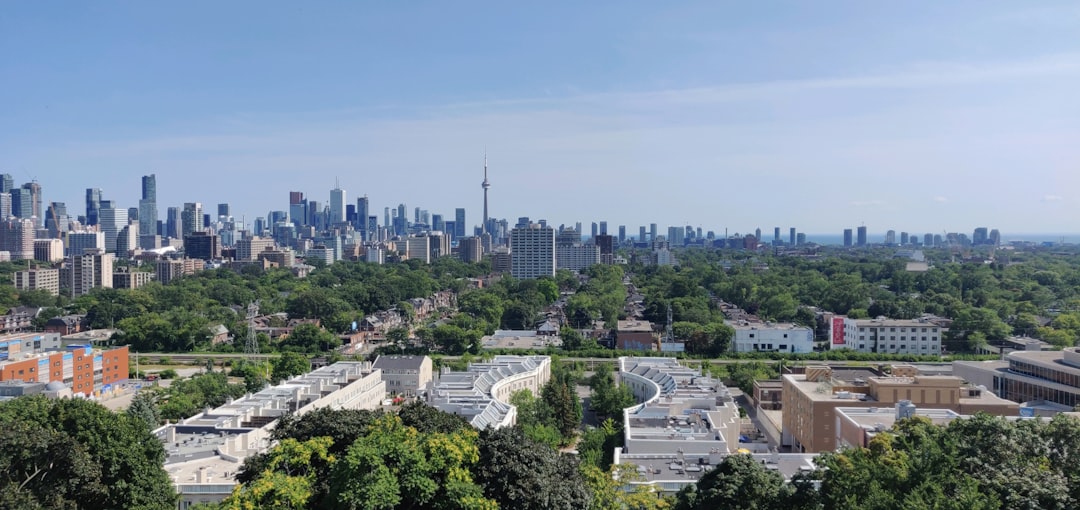
Photo by Shubham Sharan on Unsplash