
AI/ML Faculty Positions: Universities Expand Computer Science Departments
The academic job market for computer science is experiencing significant growth, with institutions actively recruiting Assistant Professors specializing in artificial intelligence and machine learning. These tenure-track positions represent a critical expansion in higher education’s commitment to developing expertise in cutting-edge technology fields that are reshaping industries worldwide.
Understanding the Academic Hiring Surge
Universities across the globe are recognizing the urgent need to strengthen their computer science departments with faculty who can teach both foundational and advanced concepts in AI and machine learning. These positions typically require candidates to develop comprehensive curricula covering neural networks, deep learning, natural language processing, and generative AI technologies. The emphasis extends beyond theoretical knowledge to practical applications across diverse domains—from computer graphics and cybersecurity to Internet of Things (IoT) systems and human-computer interaction (HCI).
Impact on Students and Academic Careers
For graduate and undergraduate students, these new faculty hires translate into enriched learning experiences and access to mentorship from researchers at the forefront of technological innovation. Assistant Professor positions in AI and machine learning signal that universities are investing in programs that address real-world challenges in software engineering, robotics, and data security. Young academics considering research careers benefit from expanded opportunities to establish themselves as experts in specialized domains while contributing to institutional research agendas. Faculty members bringing industry experience alongside academic credentials can bridge the gap between classroom theory and professional practice.
What This Expansion Means for Education
The proliferation of tenure-track positions in artificial intelligence reflects broader economic and societal trends. As organizations across sectors integrate AI solutions into operations, demand for skilled professionals continues accelerating. Universities are positioning themselves to produce graduates equipped with contemporary technical competencies. Additionally, these positions often include research components, enabling faculty to contribute to advances in machine learning methodologies while training the next generation of engineers and scientists.
Looking Ahead in Tech Education
Institutions will likely continue expanding their AI and machine learning offerings as these fields mature and intersect with established computer science subdisciplines. Candidates should expect competitive selection processes emphasizing both teaching philosophy and research potential. Students exploring career pathways should recognize that studying under faculty actively contributing to AI advancement creates networking opportunities and exposure to emerging industry directions.
As universities strengthen their computer science programs with dedicated AI and machine learning faculty, the question becomes: How can institutions best balance research innovation with teaching excellence to prepare students for careers in rapidly evolving technology sectors? The answer may well determine which graduates emerge as tomorrow’s innovation leaders.
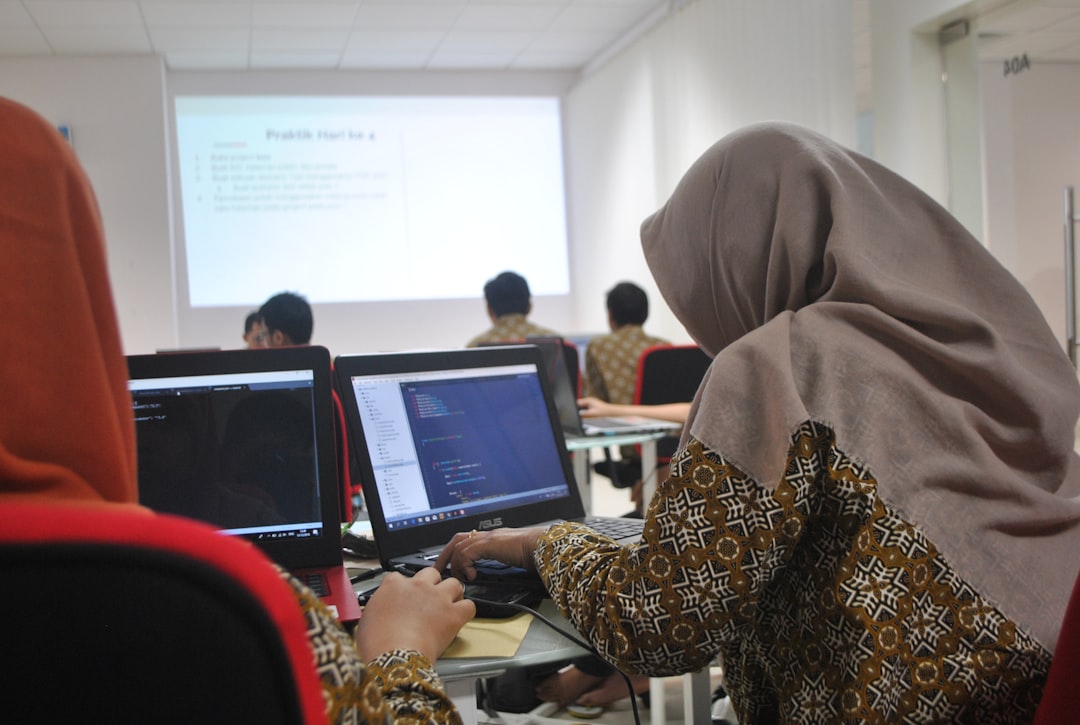
Photo by FLASHCOM INDONESIA on Unsplash