Gaming Skills: The Hidden Career Builder for Today’s Students
A groundbreaking survey reveals that gaming skills and career development are increasingly connected, with educational gaming platforms transforming how students prepare for professional futures. Rather than viewing screen time as wasted hours, educators and employers now recognize that strategic gaming experiences cultivate critical competencies demanded by modern workplaces.
The research demonstrates that gaming environments—particularly sandbox games like Minecraft—teach problem-solving, collaboration, and creative thinking in ways traditional classrooms often cannot replicate. Students immersed in game-based learning develop resilience through failure, resource management through gameplay constraints, and communication through multiplayer scenarios.
Understanding the Gaming-to-Career Connection
The survey highlights how interactive gaming transcends entertainment, functioning as a legitimate skill-building platform. Players develop systems thinking by managing complex game economies, practice strategic planning while navigating virtual challenges, and build teamwork capabilities through cooperative gameplay. These competencies directly transfer to fields ranging from software development and engineering to project management and business analytics.
Educational institutions increasingly integrate gaming mechanics into curricula, recognizing that engagement through play significantly improves knowledge retention. When students construct solutions within game environments, they’re essentially practicing real-world problem-solving methodologies without academic pressure.
What This Means for Students and Educators
For students, this research validates gaming as legitimate skill development rather than mere entertainment. Young learners can leverage their natural gaming interests to build portfolios showcasing competencies employers actively seek. Educational gaming transforms passive screen consumption into active learning that develops entrepreneurial mindsets and technical proficiency.
Teachers benefit from game-based platforms that increase student engagement while covering rigorous curriculum standards. Minecraft Education Edition and similar tools enable educators to design immersive learning experiences where complex concepts become tangible and experiential.
Looking Forward: Gaming in Education
As employers increasingly value digital literacy and adaptive thinking, gaming’s educational potential continues expanding. More schools are adopting game-based learning frameworks, professional organizations are recognizing gaming credentials, and parents are beginning understanding that strategic gaming contributes meaningfully to their children’s development.
The conversation around gaming and career development signals a fundamental shift in how we perceive skill acquisition. Rather than opposing gaming, educators now ask: How can we harness gaming’s motivational power to develop the next generation of innovators and problem-solvers?
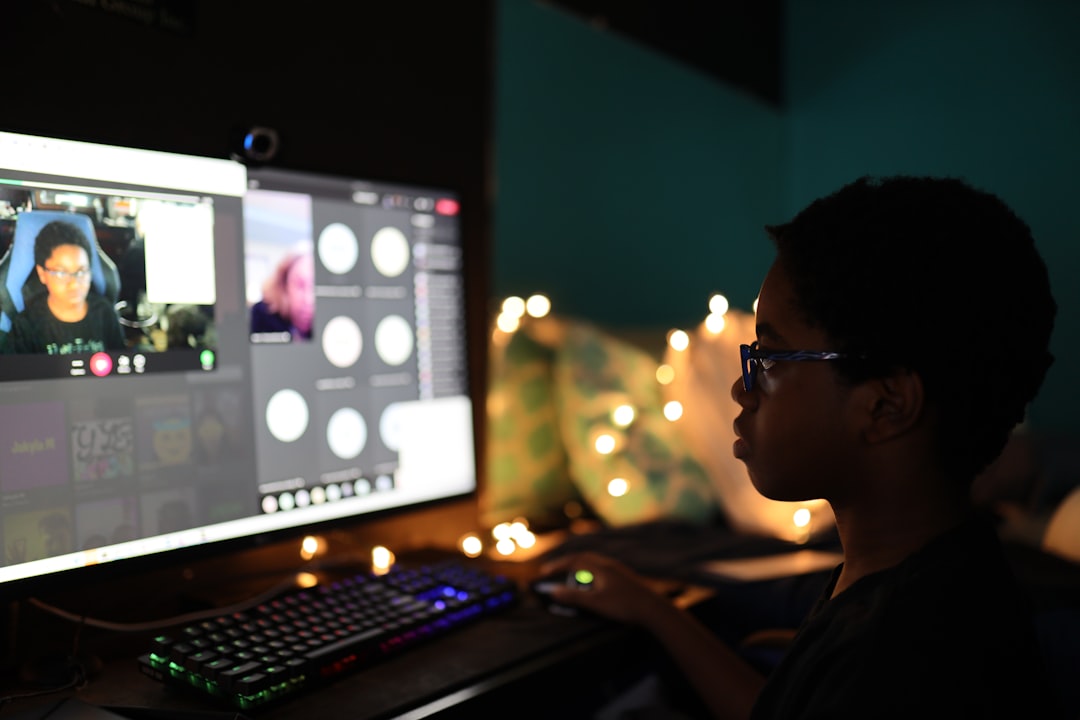
Photo by Ralston Smith on Unsplash