
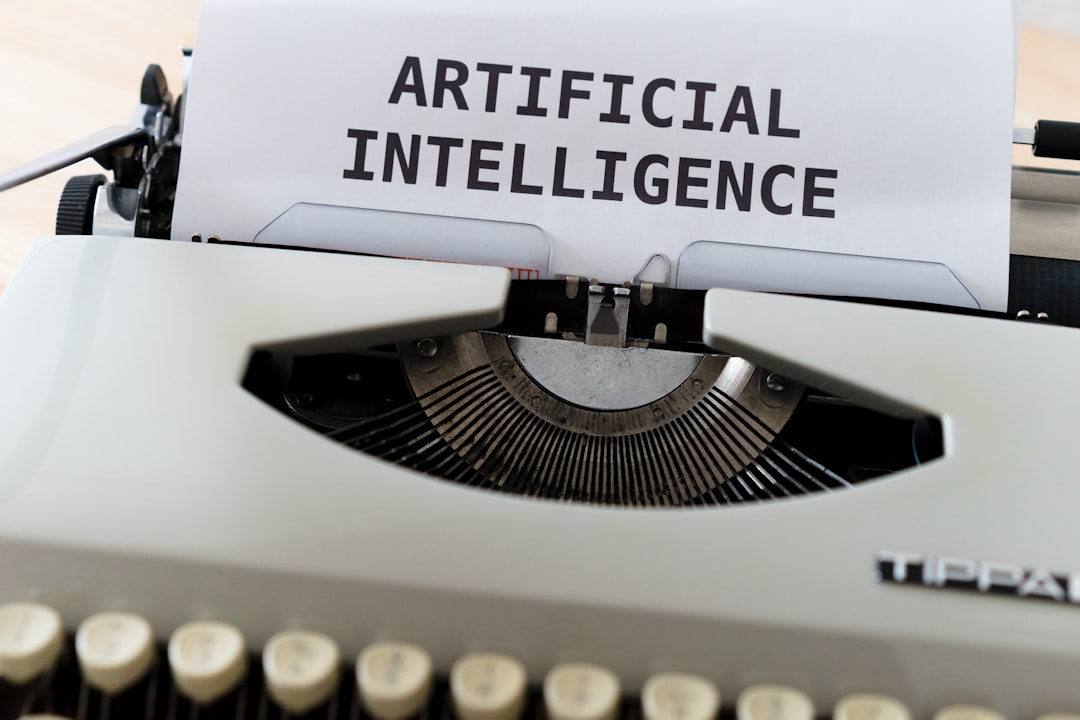
AI Skills Boom Leaves Entry-Level Job Market Behind
The gap between rising artificial intelligence competencies and available entry-level positions is creating a challenging landscape for recent graduates. A comprehensive Handshake report reveals that while educational institutions are rapidly expanding AI curriculum offerings, the job market hasn’t caught up with the influx of skilled graduates entering the workforce. This mismatch presents both obstacles and possibilities for students, educators, and employers navigating today’s competitive employment environment.
The Growing Disconnect Between Supply and Demand
Universities worldwide have accelerated their efforts to integrate artificial intelligence training into academic programmes, recognizing its critical importance for future careers. Students are enthusiastically pursuing AI certifications, taking specialized courses, and developing hands-on experience with machine learning tools. However, organizational hiring data tells a different story. Many employers remain cautious about entry-level AI roles, preferring candidates with years of professional experience rather than fresh graduates, even those with relevant training. This cautious approach has created a bottleneck where qualified newcomers struggle to secure their first position in the field despite possessing marketable abilities.
What This Means for Students and Educators
The current situation demands that colleges rethink their approach to career preparation. Rather than simply teaching AI technical skills, institutions must help graduates develop complementary competencies including communication, project management, and domain-specific knowledge that employers value. Colleges should establish partnerships with organizations willing to hire junior talent, creating pathways through internships, apprenticeships, and trainee programmes. Career services offices need to become strategic matchmakers, connecting AI-trained graduates with companies that recognise the value of investing in emerging talent. Students should understand that technical proficiency alone isn’t sufficient—they must cultivate a broader professional profile to stand out in a crowded marketplace.
What to Watch Next
The coming months will reveal whether organizations expand entry-level AI opportunities or maintain conservative hiring practices. Universities experimenting with hybrid learning models that combine technical training with real-world problem-solving may pioneer solutions other institutions adopt. Emerging alternative credentials and micro-certifications could become gatekeepers to opportunity, making continuous learning essential for competitive advantage. Additionally, government initiatives and industry partnerships may accelerate junior hiring by reducing perceived risk for employers.
As artificial intelligence reshapes industries, the question becomes clear: will educational institutions and employers collaborate to build sustainable pathways for emerging talent, or will the AI skills job market continue widening its frustrating gap? The answer will determine whether today’s enthusiastic learners become tomorrow’s leaders or face unexpected career obstacles despite their ambition and preparation.
Photo by Markus Winkler on Unsplash