Japan’s Education Model: Structure & Global Impact
Japan’s education framework stands as one of the world’s most effective pedagogical systems, combining academic rigor with character-building initiatives that have captured international attention. Educators and policymakers across continents study this model to understand how to balance excellence in standardized learning with the holistic development of young learners.
Understanding Japan’s Educational Architecture
The Japanese system divides schooling into distinct phases designed to develop students progressively. Elementary education spans six years, establishing foundational literacy, numeracy, and social skills. Middle school extends for three additional years, introducing subject specialization while maintaining emphasis on collaborative learning and civic responsibility. The high school phase comprises three years of increasingly specialized academic or vocational pathways, preparing teenagers for either higher education or employment.
This structured approach prioritizes consistency across regions, ensuring equitable educational opportunities nationwide. The curriculum integrates arts, physical education, and moral development alongside core academics, creating well-rounded individuals rather than purely test-focused learners.
Key Principles Driving Student Success
Discipline and collective responsibility form cornerstones of the Japanese classroom environment. Students participate in school maintenance, lunch preparation, and classroom management—roles that foster accountability and reduce administrative overhead. Teachers function as mentors and guides rather than authoritarian figures, building relationships that encourage intrinsic motivation.
The high school system offers both academic and technical tracks, allowing students to pursue pathways aligned with their strengths and aspirations. This differentiation prevents early educational bottlenecks and acknowledges that talent manifests differently across learners.
Parental involvement remains remarkably high, with families viewing education as a shared responsibility. This partnership between schools and households creates reinforcing systems where learning extends beyond classroom walls.
What Global Educators Should Consider
International schools increasingly incorporate elements from Japan’s approach—structured daily routines, emphasis on character development, and reduced reliance on excessive testing. However, critics note that excessive academic pressure and limited flexibility can disadvantage non-traditional learners. Many Japanese educators themselves advocate for reforms balancing rigor with creativity.
The system’s strength lies not in any single policy but in cultural alignment: students, families, teachers, and society collectively value education as transformative. Implementation in different cultural contexts requires thoughtful adaptation rather than wholesale replication.
As global education systems grapple with declining engagement and achievement gaps, Japan’s model offers valuable lessons. Yet perhaps the most important question remains: How can countries adopt Japan’s commitment to educational excellence while respecting their own cultural values and diverse student needs?
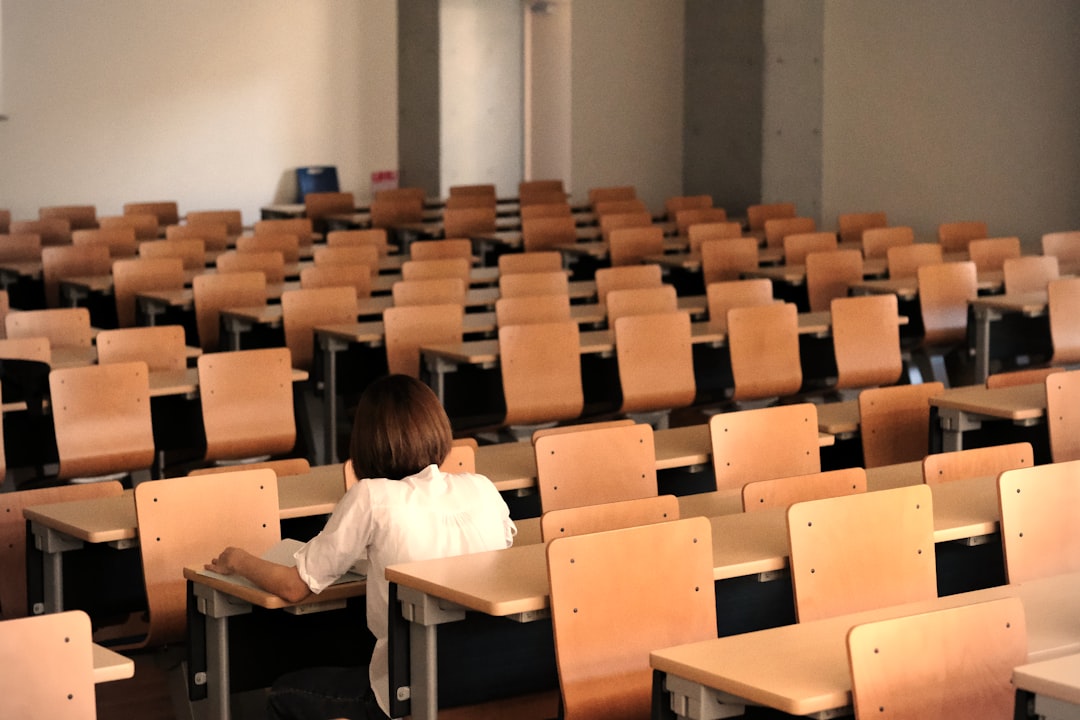
Photo by DuoNguyen on Unsplash