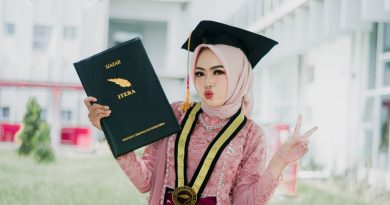

NGO Helps 359 Teachers Get Professional Licenses
Educational development organizations continue playing a pivotal role in stabilizing learning environments across Nigeria’s most vulnerable regions. A significant breakthrough emerged when Plan International successfully guided 359 educators in Borno State through the rigorous process of obtaining teacher professional licenses from the Teachers Registration Council of Nigeria (TRCN). This achievement represents more than administrative certification—it signifies renewed commitment to restoring educational dignity in communities affected by prolonged conflict.
Building Teaching Standards in Vulnerable Communities
The northeastern region has experienced substantial disruptions to its education sector over recent years, with teaching infrastructure and personnel credentials taking considerable damage. Plan International recognized that professional licensing creates accountability frameworks while simultaneously elevating the competence benchmarks across schools. The organization implemented comprehensive support systems enabling educators to navigate complex registration procedures, documentation requirements, and examination processes that typically challenge teachers working in resource-limited settings. By removing bureaucratic barriers, the initiative allowed qualified practitioners to formalize their standing within Nigeria’s regulated teaching profession.
Impact on Students and Educational Institutions
Licensed educators bring standardized pedagogical approaches and accountability mechanisms that directly influence classroom outcomes. Teachers holding TRCN credentials demonstrate commitment to continuous professional development, access improved training opportunities, and maintain stronger connections with national education frameworks. For Borno students, particularly those recovering from educational disruptions, certified instructors provide stability and evidence-based teaching methodologies. Schools benefit from enhanced institutional credibility, improved parent confidence, and stronger alignment with national curriculum standards. This foundation becomes especially critical in post-conflict recovery zones where trust in public education systems requires visible demonstration of professional competence.
Monitoring Progress and Sustaining Growth
The real measure of this initiative’s success will emerge through tracking how licensed teachers apply professional standards within their classrooms over coming months. Education stakeholders should monitor whether schools report improved learning outcomes, enhanced teacher retention, and strengthened community engagement. Plan International’s continued presence ensures ongoing support as educators integrate their newly formalized credentials into daily practice. Sustainability depends on government commitment to recognizing these licenses through improved compensation structures and professional advancement pathways that reward certified teachers.
This licensing milestone raises an important question for Nigeria’s education sector: How can we systematically extend similar professional development opportunities to underserved teacher populations across other conflict-affected regions? The answer may determine whether educational recovery becomes a lasting transformation or temporary intervention.
Photo by Rishikesh Yogis Yogshala on Unsplash