Rethinking Student Teaching Evaluations
Higher education institutions continue to rely heavily on student teaching evaluations as a primary mechanism for measuring instructor effectiveness, yet emerging research highlights critical flaws in this widespread practice. While end-of-semester evaluation forms remain standard across most universities, scholars and administrators increasingly question whether these instruments truly capture teaching quality or reflect deeper institutional biases.
Understanding the Current Evaluation Framework
Most colleges and universities administer standardized evaluation questionnaires during the final weeks of courses, converting student responses into numerical scores that significantly influence faculty tenure decisions, promotion prospects, and compensation. This approach has dominated higher education for decades, creating a system where instructor tenure and career advancement often hinge on metrics that may not comprehensively assess actual learning outcomes or pedagogical innovation.
However, research demonstrates these traditional evaluation methods contain inherent limitations. Student assessments frequently correlate with factors unrelated to teaching effectiveness, including instructor appearance, grading leniency, and student demographics. Additionally, response biases—including gender, race, and discipline-specific prejudices—systematically skew results in ways that disadvantage underrepresented faculty members.
Implications for Students, Faculty, and Institutions
These evaluation limitations create cascading consequences across academic environments. Students may lose opportunities to learn from talented instructors unfairly penalized by biased evaluations. Meanwhile, faculty members—particularly women and educators from minority backgrounds—experience career advancement disparities rooted in evaluation disparities rather than actual instructional capability.
Institutions face their own challenges: relying on flawed assessment tools undermines hiring and promotion decisions, potentially eliminating strong educators while retaining less effective instructors. This misalignment between evaluation methodology and instructional reality threatens educational quality and institutional credibility.
Pathways Toward Fairer Assessment Systems
Progressive universities are implementing comprehensive alternatives to traditional evaluation systems. These strategies include incorporating multiple assessment perspectives—peer observations, learning outcome measurements, and student focus groups—rather than depending solely on quantitative rating scales. Some institutions weight evaluations contextually, accounting for course difficulty levels, student populations, and disciplinary norms.
Additionally, institutions benefit from training evaluators about implicit bias, redesigning questionnaire language to minimize subjective judgment, and establishing teaching portfolios showcasing evidence of pedagogical growth and student learning gains. Combining qualitative narrative feedback with quantitative data creates richer assessment pictures.
Moving Forward: What Higher Education Must Consider
The evaluation landscape continues evolving as institutional leaders recognize that fair faculty assessment requires abandoning single-metric approaches. Universities investing in comprehensive evaluation frameworks demonstrate commitment to both educator development and equitable career advancement.
As your institution evaluates teaching effectiveness, consider: How might comprehensive student teaching evaluations paired with alternative assessment methods transform your approach to faculty development and career progression?
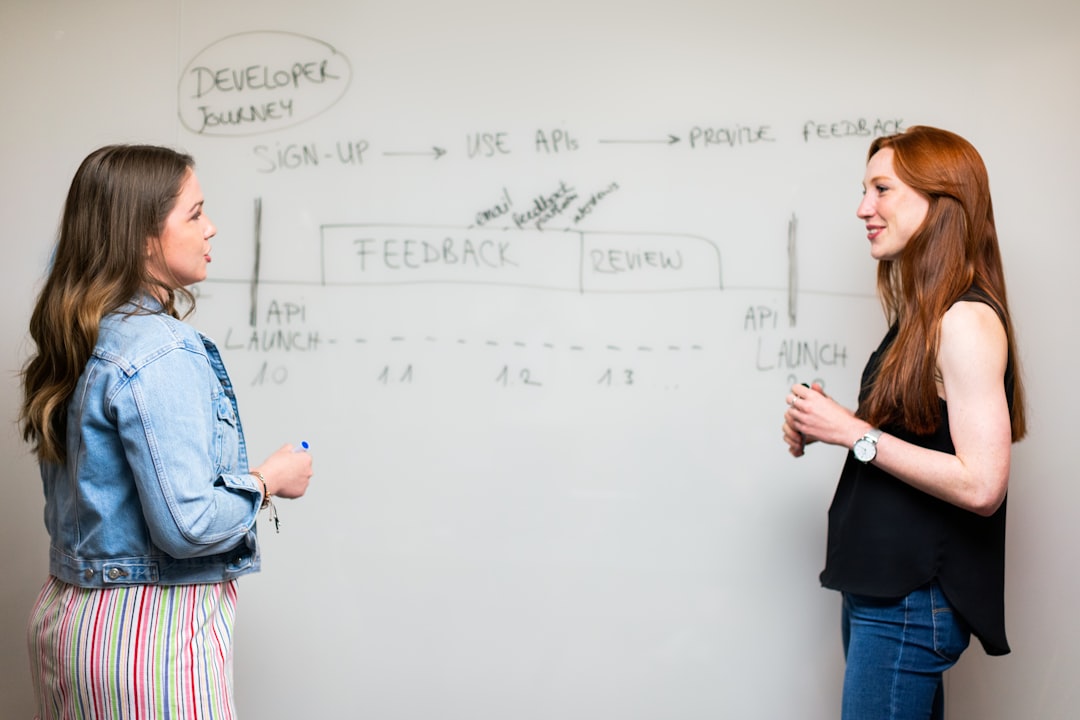
Photo by ThisisEngineering on Unsplash