Student Strike Movement Gains Momentum Globally
The student strike movement is reshaping how young people engage with activism and civic participation. On International Workers’ Day, educational institutions across multiple countries are experiencing coordinated walkouts as learners and educators demonstrate solidarity with broader labor movements.
This coordinated action represents a significant shift in how student activism manifests in modern education systems, with thousands choosing to abstain from classes and commercial participation as a form of collective expression.
Understanding the Strike Coordination
Educational walkouts planned for May Day involve students from schools and universities stepping back from their regular routines. Unlike traditional protests confined to specific locations, this coordinated economic pause asks participants to avoid consumption and work simultaneously, creating what organizers describe as a systemic pause.
The initiative brings together diverse groups—from secondary school students to university attendees—under a unified message about economic and political accountability. Educational leaders have watched these developments closely, with some institutions issuing guidance to parents and students about participation policies.
What This Means for Students and Educators
For students, participation in organized labor actions provides hands-on experience with collective bargaining principles and civic engagement beyond classroom instruction. These movements allow learners to apply concepts studied in history and social studies courses to contemporary situations.
Teachers face complex decisions when student walkouts occur, balancing institutional policies with pedagogical opportunities. Many educators recognize the educational value in discussing the motivations, organization, and broader implications of labor movements with their classes.
Parents seeking clarity should understand that such movements typically operate transparently, with organizers communicating schedules and goals in advance through school channels and digital platforms.
What to Watch Next
Educational communities should monitor how institutions respond to student participation requests. Some schools may provide excused absences for activism, while others maintain traditional attendance expectations. The distinction reveals different institutional philosophies regarding student civic participation.
Future developments may include discussions between school administrations and student organizations about balancing educational continuity with democratic participation rights. Media coverage of these events frequently shapes public perception of student activism and its role in education.
Reflecting on Youth Engagement
The student strike movement demonstrates evolving perspectives on how educational institutions prepare young people for active citizenship. Whether coordinated labor action represents legitimate democratic expression or disrupts essential learning continues generating debate among parents, educators, and policymakers.
As the student strike movement develops, consider: How should educational systems balance traditional academic calendars with opportunities for students to engage in meaningful civic participation?
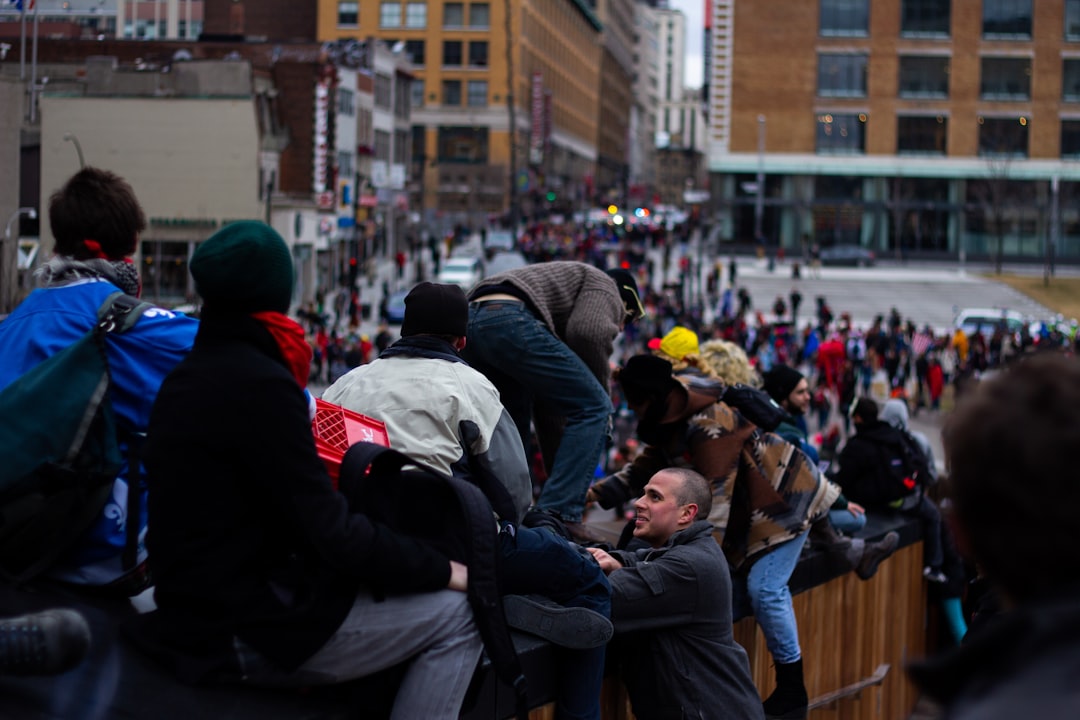
Photo by Jean Grégoire on Unsplash